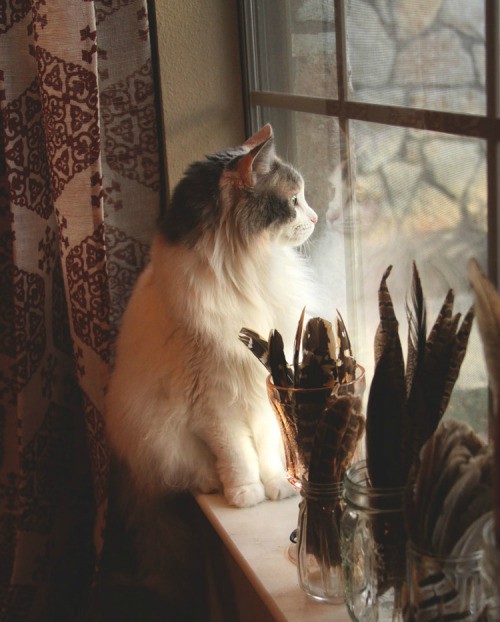
As I walk into a space, there is often people with their heads down on their phone or laptop. It makes me think about how we don’t see daydreamers as often as we used to, and if you catch sight of one, perhaps you might make eye contact for a fleeting second. Our eyes show what we focus on or perhaps we might be gazing into the distance absorbing our surroundings. The lost art of staring into space, also suggests the quiet moments where we pause for a moment. The kind of pause that needs no interruption or interaction with our technological devices.
There’s time to take a deep breath, stare into nature and listen to the birds outside. We are all plugged online at some point of the day (hence I’m writing online this moment). However, these thoughts wonder into my mind about how this has become normalised. Whenever I visit Taiwan each year, it’s normal for the whole row on a train to be on their mobile devices and in Sydney, I often nearly walked into someone while they text their friend. But, somehow, it just doesn’t seem like it should be normal.
I say this mostly because I rarely use my phone when I’m out and about, or at least I try not to too much. The truth is we don’t need to use our phone most of the time, but it has become a habit or a ritual of some kind, that seems natural and we might not think twice about it. Space makes me think of back on the farm when I was younger, I could crouch down and stare at little ants walking past, watch my pigs eat or lie on the grass staring at the clouds moving across the blue sky and time seemed to pass by. The art of staring into space is also the art of simply doing nothing.
We are a culture that praises busyness because it ties in with the idea of productivity which also suggests motivation. Busyness is always trending, as a memory seemed to pop in my head of how many times we may have said we’re doing nothing, but people seem to need to feel sympathetic when there’s no need. It’s nice to do nothing. Back in high school, when I was bored I would always daydream, but nowadays when someone is bored they may whip out their phone or listen to music on the streets. Comfort in being alone is important, as it means we are able to disconnect from the world.
I found when we were younger, there was a sense of creativity that we build in our moments of space. If we didn’t know what to do, we’d find something to do or imagine what, where and who we might be. The curiosity of noticing the things around us invites excitement and experiences into our lives. They make us more aware individuals and more engaged in the present. There is so much beauty in quiet moments, that we forget it if we surround ourselves with a noisy environment. Take those moments where you look around, people watch and feel the world around you.
Space gives us the ability to develop creativity, awaken curiosity and allow critical reflection and thoughts to wander. The lost art of staring into space reminds us to see the world offline, without our screens in front of us. It allows us to see the reality around us through the lens of our own eye. It reminds us that we don’t always need to be switched on and that we need time to be in a quiet and peaceful state of mind. A wonderful article here, talks about the ability to switch off and the true joy in leisure.
The last few paragraphs from the article: We’re either working, or preparing and commuting to work, or recharging our batteries for another round of work. Otherwise, we’re just flopping out in front of a screen. And many of the activities that we deem as leisure are in fact just another version of toil, argues Skidelsky. Jogging to lose weight, hosting parties in order to ‘network’, learning yoga to be an instructor, these activities are undertaken instrumentally with a specific goal in mind. Leisure, on the other hand, is done for no other sake than for the sheer joy of immersion.


 Tien-Jen
Leave a comment