
Tien-Jen

  • About
  • Blog
  • Books
  • Culture
  • Daily Thoughts
  • Fashion
  • Personal
  • Contact
  • Portfolio
  • The Common Stereotypes About Asian Women

    I remember being asked for help in Maths, but Maths and Science were my worst subjects at school. When I gave help to other classmates, I knew my explanation could be wrong, but I knew that I was singled out for help because of the stereotype that Asians are good at Maths and Science. When I sat in Music, I remember a classmate would always sit beside me and try to look at my answers when we had tests. It’s common that Asians are thought of as the passive minority, in where many racism directed at Asians are often quietly tolerated or ignored. The general stereotypes about Asians that are very common are: hard working, studious, nerd, intelligent, striving for top marks, bad drivers, rich, musically talented, a doctor, engineer or lawyer and the list goes on.

    However, there are also a lot of stereotypes of Asian women. I did a lot of research and readings on the perspectives of the East last semester at uni, and I feel that there are many stereotypes of Asian women (and men) from the West’s perspective. Many of these stereotypes become perpetuated, exaggerated and repeated in the media. Although, I would agree that there are many, many Asians that work very hard, but that goes for anywhere there are hard workers and lazy workers. The way Asian women are portrayed in films, literature, art and media can have a significant influence on how people view Asian women.

    Asian Mother’s being strict and overprotective. You may have heard of the term Tiger Mum. It’s a parent that pushes their children to pursue academic excellence and excel in their career and life. They can be very demanding and over bearing. This is a common stereotype in Chinese parenting. Unfortunately, true for some, but definitely not for all. My sister and I were never overly pushed to be high achievers. We just did our best, and pursued what we’re passionate about.

    Dating a white person means you have white fever. There is a stereotype that if an Asian woman dates a White man, she has white fever. Vice versa, if a White man dates an Asian woman, he has yellow fever. There are cases where that is indeed true, or the individual has a preference. However in most cases, such as my Mum and my Stepdad, it’s because they both love each other for who they are. The attraction is simply on personality, but unfortunately because Asian stereotypes can be so strong, some people will make assumptions quickly based on ethnicity.

    Being quiet, submissive, mysterious and exotic. Unfortunately, I’ve had strange experiences of old white men talking to me for the wrong reasons. This is one of the most common stereotypes of Asian women. It’s also common in the sexual stereotype of Asian women, that we’re submissive and obedient. Sadly, this has been one of the ways the media views us. This is one of the reasons I feel put off by men who do have yellow fever, because they want to find an Asian woman who fulfills their Asian fetish of the stereotype of an Asian woman.

    Slim, long black hair and almond eyes. Picture an image of a slender frame, porcelain skin, long thick black hair and brown almond eyes. The description makes me think of a Singapore Airlines or Thai Airways advertisements. It’s true that many Asian women are petite, but everyone comes in different shapes, size and shades. However, growing up I would often hear “How do you stay slim Katie,” and sometimes someone would say “because she’s Asian.” Genetically Asians all have black hair and brown eyes.

    Always being seen as an “Asian” women. As a woman, I won’t ever be just viewed as a woman. I will always be an Asian woman. This is something I’m proud of, but I’m also aware that it comes with a lot of labeling, generalisations and stereotypes. I remember talking about how people seem to have to mention when someone is Chinese, Indian, Black etc when it’s not always necessary. It also means dealing with people from time to time who say certain things to you because you’re Asian, that can be insensitive.

    In Asian American Women Faculty: Stereotypes and Triumphs by Celeste Fowles Nguyen, she writes “The model minority stereotypes Asians as hard workers who quietly achieve high results. The lotus flower, or geisha stereotype, defines Asian females as feminine and passive.” Asian women are viewed as uncomplaining, tolerant and passive. However, I want to challenge this view, and encourage people to speak more about it with friends of different ethnicity. We rarely see Asian women in the news media, and many other areas. Representation is important, and I hope that we will see more diversity and conversations about these issues.

    What are some other stereotypes of Asian women? Feel free to share your experiences down below.

    July 13, 2018
    Asian, common, stereotype, stereotypes, women

  • Ethical Fashion And The Rise Of Consumer Culture

    ROH7304.jpgClothes are one of the largest polluters in the world. There is so much we don’t see from the clothes we wear, from the source of the fabric, where the cotton was grown, how much water was used to bring the piece of clothing to life, what environment the worker who sewed the piece of clothing worked in, how much they are paid and many other aspects that are often clouded by heavy advertising that shows the clothing in an attractive manner to grasp our attention. We are all filled with stories, and everything we come across has a story to tell. The smallest pebble may have crossed an ocean, and yet it’s easy to see something and only see the surface of it.
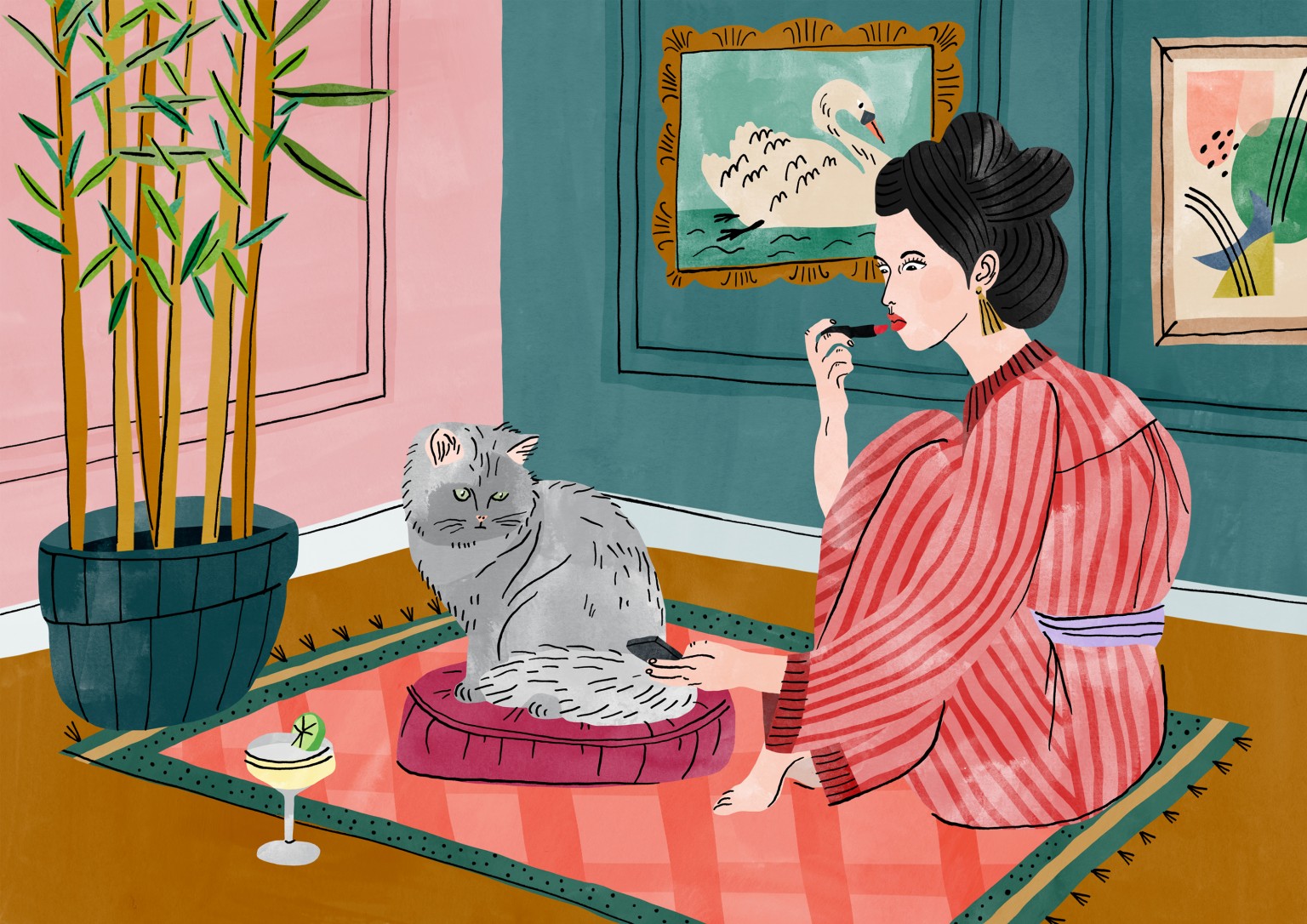
    I met a lovely person yesterday with such a passion for ethical fashion, it was truly inspiring and motivating. If you have Netflix then I highly recommend watching the documentaries: The True Cost and Minimalism: A Documentary About the Important Things. A consumer culture is an ideology that tells us that we should acquire more things in order to build a sense of satisfaction within our lives. It encourages spending culture, building a desire for a lifestyle and convinces you that it is a source of happiness. It is a fact that the experiences we have outweigh the materials we own, and that building memories and relationships are far more valuable and will give true happiness that can sustain a lifetime.

    What we consume should also reflect the value of long lasting wear and use. The power of advertising and marketing, is that it convinces the consumer that purchasing a particular good will change your life in a certain way. They persuade you that certain products can give your life more meaning or interest. In this interesting conversation I recently had with the person, we talked about how in the documentary there is a scene where there are massive sales in an American store. There are hundreds of shoppers rushing and running around the store, grabbing as fast as they can and even some fighting and pulling for something they have seen first.

    The problem with the fashion industry is that many large companies mindset is to earn a huge amount of profit. There are those who are passionate about design, sourcing eco-friendly fabric and will only allow their clothes to be made in a production and manufacturing company that pays its workers a living wage in a safe environment. However, the over saturation of the industry is filled with actions that are corrupted. In an article here, it says The tragically poor and exploited lives of Chinese chip makers and Indian and Bangladeshi seamstresses are gaining worldwide visibility. Recent news concerning the unsafe living and working conditions of great masses of people is likely merely the tip of the exploitation iceberg.

    I watched a film last night called The Shape of Water, (spoilers ahead) which delved with an array of themes. The film features an ocean creature, who is viewed as a monster by some of the characters within the film. However, there is a character who really is the monster, who takes advantage of his power and creates fear. He is an example of a capitalist consumer, such as when he is in a Cadillac store, the car salesman tells him that the teal car is driven by 4/5 most successful men in America (or something a long those lines). In the next scene, we see him drive off in one. It’s a clear example of how there is a certain value placed around materials, and how it shows and communicates one’s status, lifestyle and position in society.

    Fashion is often viewed as superficial, but we all need clothing to wear, and the reality is that it is a form of comfort and communication. I don’t think Fashion is superficial, but really only certain people who make it superficial. It is those who believe that materials can show that they are better than someone else, that is one of the worst yet most common aspects of consumption. The truly superficial are those who produce clothes without any care for those making it, or the environment. These people in power have a lot of power to make great change, yet many companies only care about earning money. They will create a beautiful image from the advertising of the goods, but behind the scenes may be a sad reality.

    It’s important to remind oneself of what are the truly important things in your life. The relationships you have are ultimately the biggest, as well as striving to do our best for the Earth. The character shows that many of us have an inkling of what we should do, but may not do it. An example, is when other’s decide not to recycle, those who litter, don’t try to understand the system or don’t care about the environment. It takes time, but it’s a matter of educating, spreading the message and raising awareness. It’s also a matter of turning it into action in your own life, and making the decision to consume less and support brands that have good ethics, transparent production and honest values.

    What are your thoughts on consumer culture? How do you think we can make improvements in the fashion industry?

    Art by Monica Rohan

    January 26, 2018
    Clothes, consumer, consumer culture, ethical, ethical fashion, Fashion

  • When You’re Asian And More Fluent In English

    Bodil-Jane-Illustration-Characters-Japan-Modern-Gaaru-2-768x543@2xEnglish was one of my favourite subjects at school as I loved writing essays and reading novels. Although there’s still many aspects where I can improve (note my use of grammar and structuring). My mother tongue is Chinese, as I grew up learning Chinese first before English. We used to go to Saturday Chinese school as children, but I was quite lazy and didn’t feel any motivation to learn it since I was speaking English at school. Perhaps it was because all my friends spoke English, and I wasn’t living in a place or going to a school that had many people speaking Chinese.
    However, now that I’m older I embrace the fact that I’m both Taiwanese and Kiwi. They are both important aspects of my identity. I realise how important it is to keep your mother tongue alive. It’s important to remind yourself what a blessing it is to speak Chinese and English. When I look back, I am incredibly grateful that my parents only spoke Mandarin to my sister and I, because language is such an important part of us. I appreciate growing up being surrounded by books and building a huge interest in reading. Now that I’m older, I put more effort into writing, reading and listening to Chinese. I used to feel a sense of guilt and shame because my Chinese wasn’t fluent but my physical identity says that I should be.

    In high school, my English teacher said that it’s okay that my essay had a few grammar mistakes, because English is my second language. The trouble was that she was more lenient with me even though I was keen to improve my writing. Most of my classmates said I’m lucky I had English as a second language as an excuse, but to me it seemed quite stereotypical, because I was more fluent in English and when other classmates made grammatical mistakes it wasn’t focused on what ethnicity they are.

    The beauty of language is that it allows us to communicate to different people. I’ve been asked many times if I’m an international student or what country I moved from to New Zealand. It’s understandable, because Auckland is quite a multicultural city and there are people from a vast majority of different countries. However, it does remind me of my identity and being asked these sort of questions many times has made me more assured of my own cultural identity. I suppose in writing this, I’d love to encourage you to embrace your mother tongue. Having that is such a precious part of you that can never be taken away from you. If you are also an Asian that is more fluent in English, know that you can improve your mother tongue through self motivation, practice and patience.

    Artwork – Modern Girl by Bodil Jane
    December 21, 2017
    Asian, chinese, Daily Thoughts, english, fluent, language, mandarin

  • How To Improve Your Chinese Language Skills

    7c71991f-36da-44d0-b63f-ff3239bb87cc.png

    Chinese is one of the most beautiful languages in the world. When you see the words themselves, each of them are like a picture. It is the most spoken language in the world by more than 1 billion people. I remember my Grandmother explaining to my sister and I the way each Chinese character are like a picture of the object. 火 means fire, 人 means person and 山 means mountain. If you look at them, they appear very much like the character itself. According to the NZ Chinese Language Week Trust, Chinese will be the third most common language spoken in New Zealand.

    In order to improve a language, we must consistently speak it and expose ourselves to it. If you don’t speak the language with your family, it’s a good idea to find opportunities to speak it with someone. Try speaking it with a friend, language partner, on the phone or attending a Chinese event. The more you speak, the more you remember. A great app to add on your phone is Pleco. It’s a wonderful dictionary that’s easy to use. Try reading a small section of a book, text or magazine article and translate the words you don’t know by using Pleco (or your own dictionary).

    Writing words down can also help you to remember what they look like. Learning and expanding your vocabulary is ultimately one of the ways to improve your skills. Listening is what we’re first exposed to when we’re a baby. We listen to the way our parents talk, and we imitate the words they speak. You can listen to Chinese music, watch a movie that speaks Mandarin, listen to a podcast or watch a Youtuber who speaks Chinese. Finding what works for you is important. Some may find certain Chinese language apps better than others. Some may work better by following a text book, taking lessons in class, having a private tutor or using an e-book.

    Growing confidence in your skills is a wonderful thing. Improving is extremely rewarding. As something beneficial as Chinese, it can be encouraging to know that you will definitely be applying the language in many places. It’s a language that has a long history behind it. It is one of the oldest written language in the world. If you grew up reading Chinese Cinderella by Adeline Yen Mah (I highly recommend the book!), she mentions: Chinese is a pictorial language, not a phonetic one. Our words come from images. The meaning of many characters is subtle and profound. Other words are poetic and even philosophical.

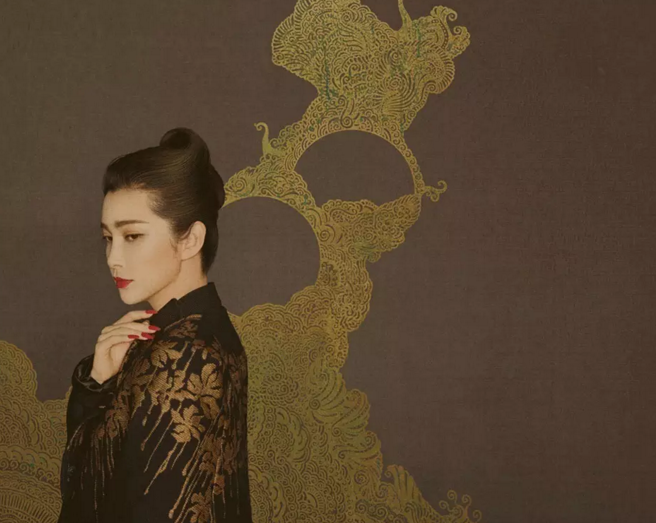
    Photography of Ling BingBing by Sun Jun
    April 6, 2017
    chinese, Daily Thoughts, improve, language

Previous Page
 

Loading Comments...
 

    • Subscribe Subscribed
      • Tien-Jen
      • Join 2,541 other subscribers
      • Already have a WordPress.com account? Log in now.
      • Tien-Jen
      • Subscribe Subscribed
      • Sign up
      • Log in
      • Report this content
      • View site in Reader
      • Manage subscriptions
      • Collapse this bar