Tien-Jen

  • About
  • Blog
  • Books
  • Culture
  • Daily Thoughts
  • Fashion
  • Personal
  • Contact
  • Portfolio
  • Clothing Thoughts

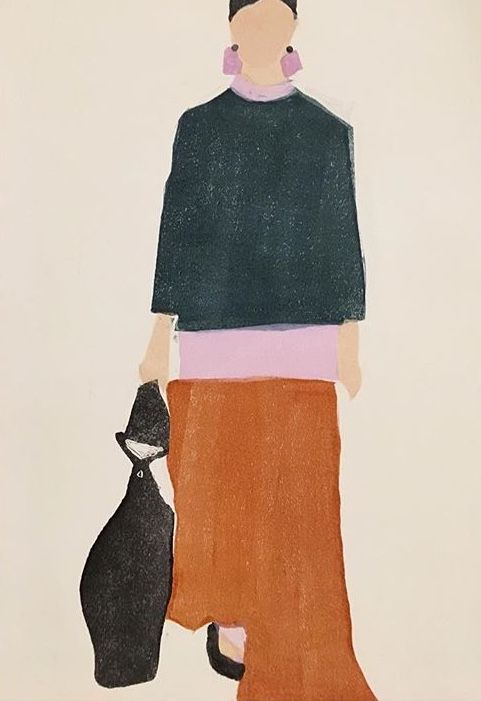
    I was recently watching a video which made me think about how important it is to dress well. What we wear reveals how we feel about ourselves and how we’d like to present ourselves to the world. The video made me reflect on the popularity of dressing casually, the rise in clothing consumption and the obsession with trends. The message that we always need more clothing causes dissatisfaction and a desire to shop more. A timeless wardrobe helps us develop a strong sense of personal style and whether we may admit it or not fashion is important.

    Dressing well is a form of self care. Taking time to groom ourselves and dress well is a form of self care, as it shows respect to the people you’re interacting with and respect for yourself. Do you notice how when you wear something you feel comfortable in you feel lighter and more confident? Feeling good ultimately comes from within, however, it’s undeniable that what we wear can impact on how we feel about ourselves.

    Shop less and wear more. There is an impulse to buy more in a consumerist society that tells us to keep up with ever-changing trends. There’s a blessing in shopping less and wearing more because you can then truly develop your personal style. You can also save time in deciding what to wear, save money on buying numerous clothing and have a deeper understanding of what suits you.

    Environment and pollution. Clothing is one of the largest polluters in the world and fashion production makes up 10% of humanity’s carbon emissions. It’s inconceivable and shocking to think of the amount of clothing that is discarded every second of the day yet it’s the harsh reality in our society. We live in a superficial society that aims to influence us to spend more money and live a certain kind of lifestyle yet we should praise repeating outfits and cherishing quality clothing.

    Clothing should be designed to be worn year after year. There seems to be this idea of staying fresh and new in fashion and regularly wearing something different. Somehow this idea through the digital age was accentuated that being seen in the same outfit isn’t acceptable. However, have you noticed how trends will often circle back in another decade? Quality clothing that we enjoy wearing year after year is what clothing is ultimately meant for. Sadly, a lot of clothing now is poorly made and designed to be worn and quickly discarded.

    What do we leave to the imagination? Nowadays, it seems common to see people wear clothing that shows more and more skin. Clothing designs have all kinds of cuts and strips and transparency. Some are done in a stylish manner and others unfortunately look unattractive and attention-seeking. Fashion is a form of self respect. There’s nothing wrong with wearing a short dress, but it’s how we present ourselves that makes the difference.

    Developing a sense of personal style. When I was a teenager, I remember buying whatever was trending. From crop tops, leather skirts to playsuits and leopard pants. It felt like I was playing pretend as I didn’t feel truly myself in those clothes. These were clothes that would end up being worn once or twice and then remain untouched and donated at the end of the year as they weren’t true to my style. Do you notice how you can really see when someone is completely comfortable and confident in what they’re wearing and vice versa? Remember that your personal style will always be timeless.

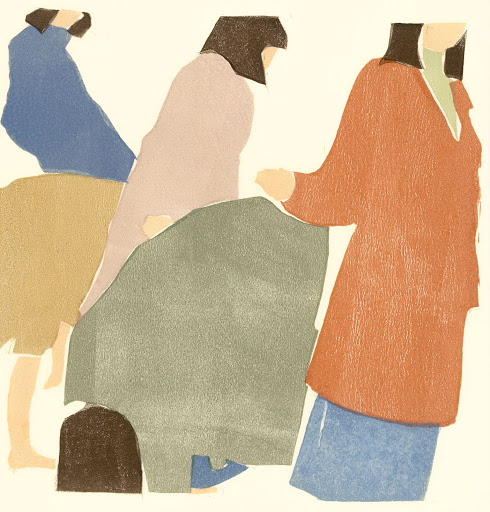
    Art by Renee Gouin
    December 16, 2023
    clothing, Fashion

  • I’ve Been Decluttering My Wardrobe

    Clothing is one of the largest polluters in the world and much of the clothing worn and unworn end up in landfills. When I think of why we end up buying excess clothing it makes me think of the quote by Dave Ramsey: ‘We buy things we don’t need with money we don’t have to impress people we don’t like.’ We are told by advertising and media to buy more in order to attain a certain kind of lifestyle or to be perceived a certain way. It’s more valuable to embrace your own personal style and wear clothing that will be worn throughout the years.

    Both fast fashion and luxury brands produce clothing that have been made by children or women in poor working environments and are paid a miniscule amount. Those who create these products are barely paid enough whereas the corporations earn hundreds of millions of dollars. We don’t need so much in this world to be content, however, the increasing amount of dissatisfaction is from the false belief that we need more things to feel fulfilled and accepted.

    We live in a world of excess production and consumption of materials, where much more care is often put towards appearances and money rather than how we treat others and our environment. In the past year, I’ve began selling and donating things I no longer wear or use. I realised we don’t regularly wear the clothes in our wardrobe. If I left the house on a chilly day I’d put on the same rain coat. Fashion allows us to express our own sense of style. It becomes a part of our identity but it shouldn’t have to cost the earth.

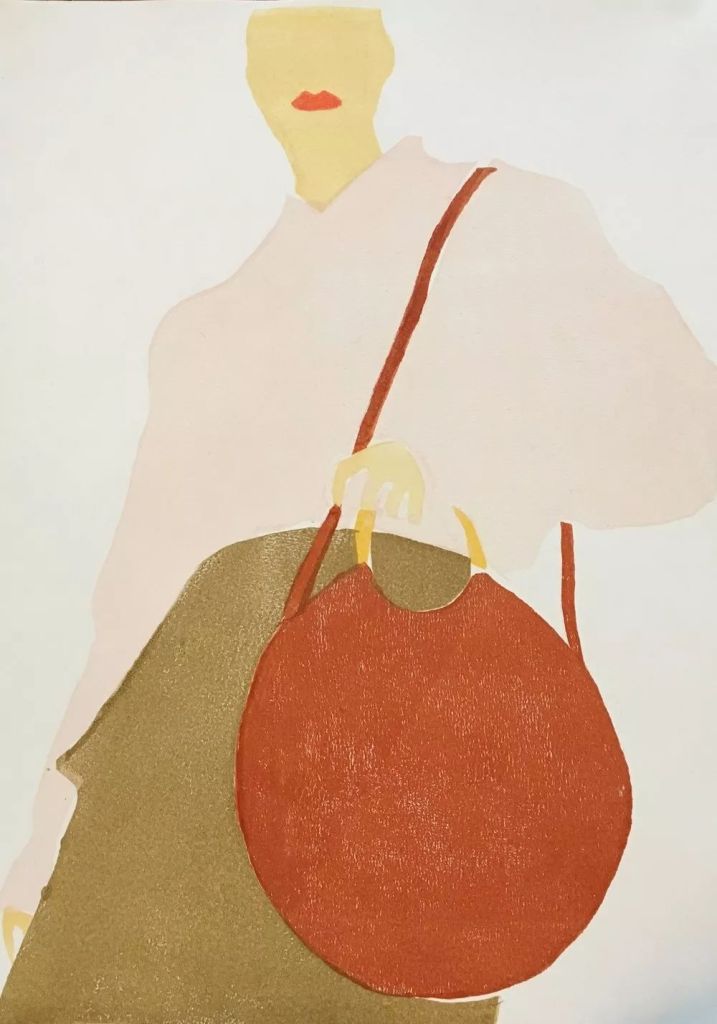
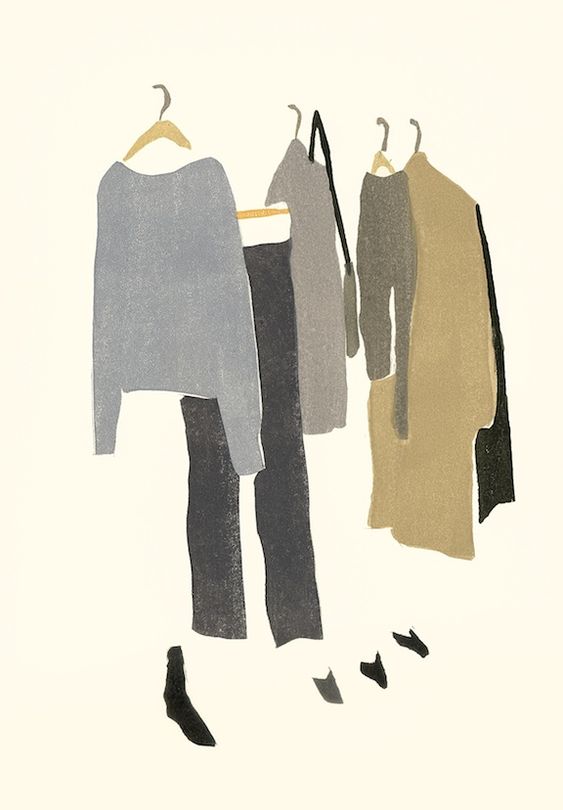
    Art by Renée Gouin

    September 11, 2023
    declutter, decluttering, Fashion, minimalism, wardrobe

  • The Art Of Slow Consumption

    The psychology of sales, discounts and promotions tend to convince the need to buy in order to feel a sense of satisfaction through saving. This is a powerful marketing tactic as it encourages consumers to buy and therefore increases production demands. The use of special offers and a strong favourable brand image deliver a lifestyle and a promise of happiness that is attainable through purchasing the product. The cycle boosts the long-term profitability and sales for the company, but it also comes at the price of feeding on our insecurities and telling us that we need materials in our lives to fill up the spaces to attain a certain status, appearance or lifestyle. However, the increase in mass production encourages mass consumption. The increasing consumption cycle is damaging to our environment, well being and mind set.

    In our rapidly changing world, we are more impatient due to instant gratification and being bombarded with more choice and opportunities. The gamification of smart phones have also caused a change in socialising, communicating and interactions. The fast paced society has caused an increase in stress, depression and anxiety. It reminds us to take a moment to practice mindful consumption in buying, reading, exercising, cooking, socialising, eating and so forth. We can take time to have a more leisurely approach to life rather than conform to the rush of a busy life. Over-consumption presents an ecological threat to individual, social and global well-being. The ideology that should be shared is that buying less things that are better quality can help us lead a more fulfilled, less wasteful life.

    In The stuff of life, Immig writes “What if you piled up all the stuff you’ve ever owned and consumed in your lifetime? Would it make a tall tower reaching into the sky like a high-rise building, or is it more of a discreet mound?” The article is fascinating and creates visualisations of the waste that we have contributed to in a lifetime. It seems as if we can obtain everything we could possibly imagine if we have the financial means to, yet large numbers of people remain deeply unhappy. The chase for personal status and material wealth is built from consumer culture which encourages extrinsic goals that bring an illusion of temporary happiness. We are increasingly obsessed with superficial ideals such as material possessions, wealth, fame and status which is a result of the declining care, empathy and concern for others and for our environment.

    The garments we hold tend to lack meaning due to the idea that they’re instantly replaceable or out of trend through the fast-pace cycle of the fashion industry. Adopting the models of slow consumption creates more respect and value for what we have, rather than affording cheap clothing that creates a throwaway culture and encourages the cycle of fashion produced under exploitive work conditions and are environmentally unsustainable. A focus on environmental ethics would help bring the focus on a collective level on the impact and change that can be made for global well-being. If we strive to be conscious consumers, we make the first step in deliberately trying to minimise permanent footprints on the environment. We consider the difference between needs and desires and to purchase and consume slowly and accordingly.

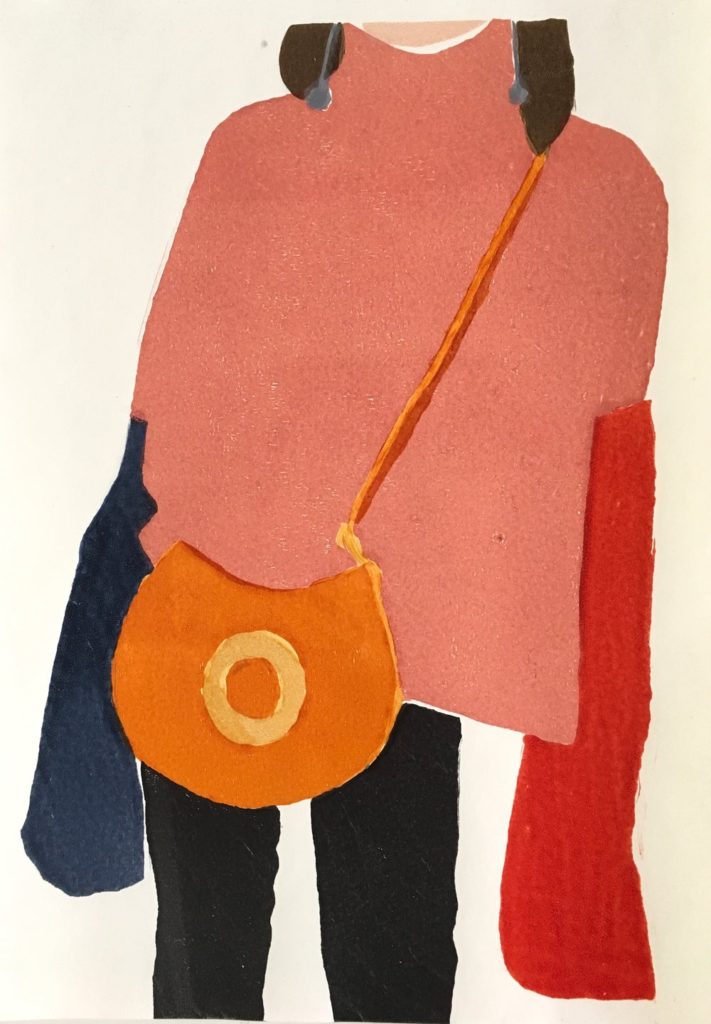
    Art by Renée Gouin

    December 1, 2020
    art, consumer culture, consumption, Culture, slow

  • Five Ways To Live More Sustainably

    Every day we have the ability to make choices in what we consume, and what businesses we support with our money. Every product has an environmental footprint, which is why it’s good to purchase items that have minimal packaging. Every person has an impact and affect on the environment, from what we choose to eat, wear, and the actions we take. It’s important to support businesses that make a conscious effort to be environmentally-friendly and look out for labels when possible. Fashion is one of the biggest polluting industries in the world, which is why it’s increasingly important to become a conscious consumer in how, where and what we buy.

    1) Bring your own reusable items. By bringing your own drink bottle, you can minimise the amount of plastic drink bottles that end up in landfills. Other reusable items include metal straw, cutlery, keep cup, tote bags.

    2) Use eco-friendly products. Support local brands, and companies that use natural ingredients that are better for the environment. Buy things that are good quality, and will last a long time.

    3) Walk or bike whenever possible. By driving less, you can reduce your carbon foot print, plus walking or biking to work can be a healthy way of spending time outdoors and getting more physical activity during the day.

    4) Water and electricity consumption. You can conserve water by taking shorter showers, closing the tap when brushing your teeth, collect rainwater. Aim to turn off lights when you’re not present in a room.

    5) Consume less meat. Take part in Meatless Mondays, or simply minimize the amount of meat in your diet. A large portion of greenhouse gas emissions are from the Animal agricultural industry.

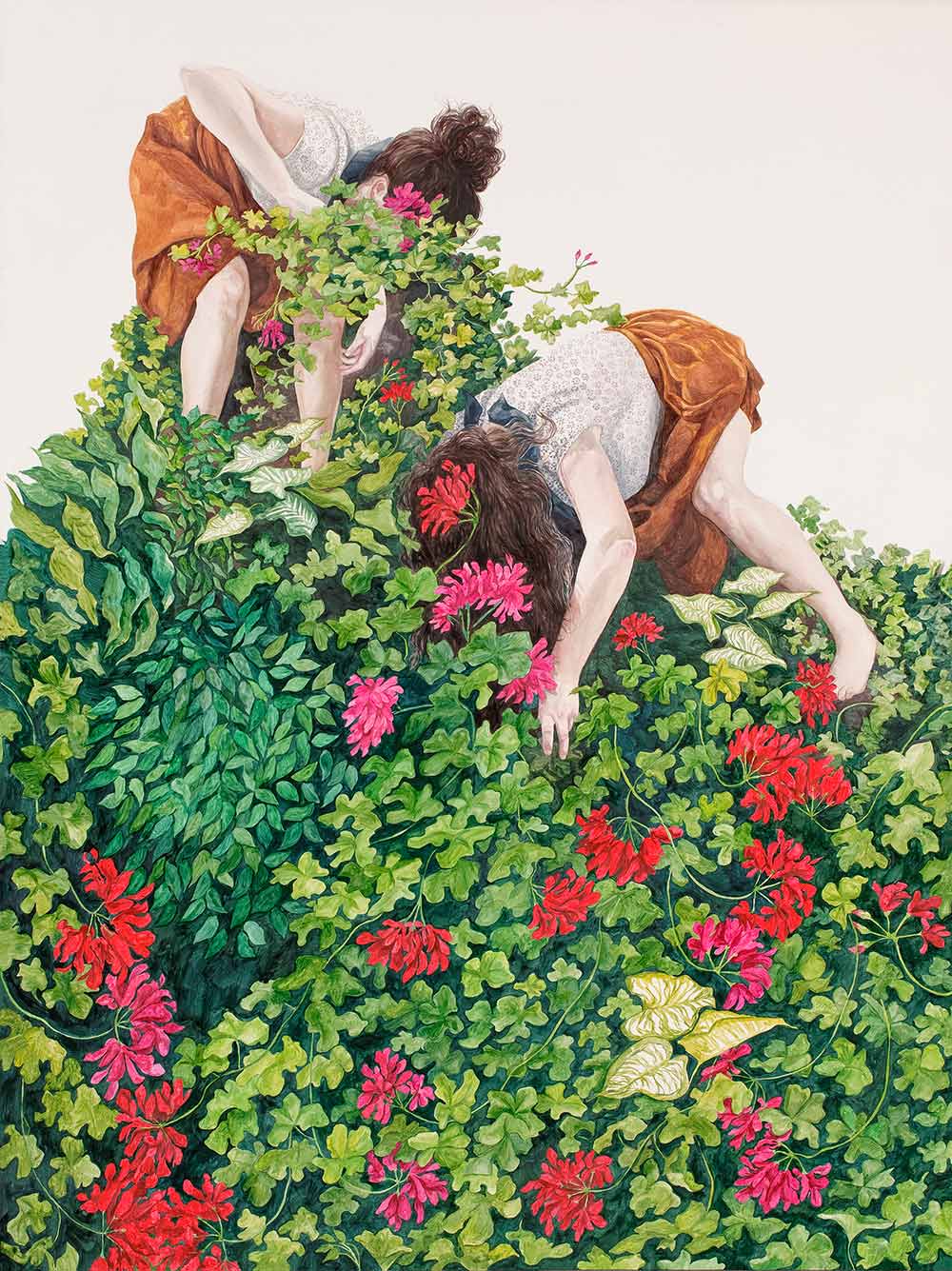
    Art by Renée Gouin

    October 3, 2019
    Environment, sustainable

  • The Way We Dress Affects How People Treat Us

    Dressing well is a form of self care. I talked to a friend of mine, and we had a really interesting conversation about how we present ourselves, how people treat us when we dress well and she told me how she believes that dressing well is a form of self care. The words really stuck with me, because they ring so much truth. She was telling me about her experience, in which when she entered a clothing store, she was wearing jeans and a top. During that day, the retail assistant didn’t acknowledge her. The next day, she was wearing a stylish outfit that was very much in her style, and the retail assistant paid attention and approached her to ask if she needed help.

    I know this can sound terribly shallow, because shouldn’t someone regardless of the way they look be treated the same? Absolutely, I think we should always treat others fairly. However, it’s also common that we will assume what someone might be like, based on what they wear. As this is most often the first impression. There is psychology behind the way we dress from the colours we wear. I do believe that to an extent, the way we dress and present ourselves will affect how others treat us. Clothes are a form of self expression that speaks for itself.

    As I previously mentioned, I do feel that we shouldn’t judge someone for the way they dress. However, I also do feel that the way you dress is also an expression for how you feel about yourself. This means, if a person wears jandals, sweats and a jersey all the time, they might not be taken quite as seriously as a person wearing a tailored dress and flats. When we are presented as clean and tidy, we are more likely to be treated with respect, because it shows self care to oneself. Although, when I watched The Pursuit of happyness a few years ago, there is a scene here that shows that ones true character, attitude and ability is through who they are, not their clothes.

    It’s good to look at both sides to gain perspective, because on one hand what we wear is important in presenting ourselves. On the other hand, we should be judged by our character and abilities, and not the way we look. We have power in choosing how to present ourselves to the world, through the silent language of fashion. The Huffington Post article says “Your style and the clothes you choose reflect and affect your mood, health, and overall confidence.” I think fashion can be empowering, when we fully embrace our personal style. It creates a natural confidence in knowing who we are.

    This is why I don’t tend to wear bright coloured clothing, as most of them don’t tend to reflect my personality or how I feel about myself. I feel most myself when I wear black, navy, grey, brown, dark colours or denim. Black clothing takes up 90% of my wardrobe, because I feel that I suit it the most. It makes me feel clean cut, stylish and effortless. The colour psychology in what we wear can really make a difference in how we feel about ourselves, and how others will feel. I find wearing dark colours makes me feel organised, chic and well groomed.

    I remember talking to a coworker, and he said he literally judges books by its cover, and I said to be honest, so do I. I may be more attracted to covers that have an artwork that I like, the colours that they use or a photograph that really speaks to me. We were talking about book covers, but it made me think about how what we wear is similar to the way we look at book covers. We may judge in that split second, what the content may be, in terms of what someone might be like. First impressions are important when it comes to how we dress, and after that it’s really getting to know someone for who they are.

    Think of when you went on your first date, your first interview and your first dance. You probably made effort in grooming yourself a certain way, to present yourself for the occasion. In the video above, it talks about how dressing well is not only a sign of respect for yourself, but also for those around you. I do agree, and I also truly believe that dressing well can affect our emotional well being. I remember when I was freelancing, I would still get dressed in the morning as if I was going to an office. It made my mindset more focused on working, rather than staying in my pajamas.

    Art by Renée Gouin

    March 30, 2018
    Clothes, clothing, dress, Fashion, People, Style

  • Ethical Fashion And The Rise Of Consumer Culture

    ROH7304.jpgClothes are one of the largest polluters in the world. There is so much we don’t see from the clothes we wear, from the source of the fabric, where the cotton was grown, how much water was used to bring the piece of clothing to life, what environment the worker who sewed the piece of clothing worked in, how much they are paid and many other aspects that are often clouded by heavy advertising that shows the clothing in an attractive manner to grasp our attention. We are all filled with stories, and everything we come across has a story to tell. The smallest pebble may have crossed an ocean, and yet it’s easy to see something and only see the surface of it.

    I met a lovely person yesterday with such a passion for ethical fashion, it was truly inspiring and motivating. If you have Netflix then I highly recommend watching the documentaries: The True Cost and Minimalism: A Documentary About the Important Things. A consumer culture is an ideology that tells us that we should acquire more things in order to build a sense of satisfaction within our lives. It encourages spending culture, building a desire for a lifestyle and convinces you that it is a source of happiness. It is a fact that the experiences we have outweigh the materials we own, and that building memories and relationships are far more valuable and will give true happiness that can sustain a lifetime.

    What we consume should also reflect the value of long lasting wear and use. The power of advertising and marketing, is that it convinces the consumer that purchasing a particular good will change your life in a certain way. They persuade you that certain products can give your life more meaning or interest. In this interesting conversation I recently had with the person, we talked about how in the documentary there is a scene where there are massive sales in an American store. There are hundreds of shoppers rushing and running around the store, grabbing as fast as they can and even some fighting and pulling for something they have seen first.

    The problem with the fashion industry is that many large companies mindset is to earn a huge amount of profit. There are those who are passionate about design, sourcing eco-friendly fabric and will only allow their clothes to be made in a production and manufacturing company that pays its workers a living wage in a safe environment. However, the over saturation of the industry is filled with actions that are corrupted. In an article here, it says The tragically poor and exploited lives of Chinese chip makers and Indian and Bangladeshi seamstresses are gaining worldwide visibility. Recent news concerning the unsafe living and working conditions of great masses of people is likely merely the tip of the exploitation iceberg.

    I watched a film last night called The Shape of Water, (spoilers ahead) which delved with an array of themes. The film features an ocean creature, who is viewed as a monster by some of the characters within the film. However, there is a character who really is the monster, who takes advantage of his power and creates fear. He is an example of a capitalist consumer, such as when he is in a Cadillac store, the car salesman tells him that the teal car is driven by 4/5 most successful men in America (or something a long those lines). In the next scene, we see him drive off in one. It’s a clear example of how there is a certain value placed around materials, and how it shows and communicates one’s status, lifestyle and position in society.

    Fashion is often viewed as superficial, but we all need clothing to wear, and the reality is that it is a form of comfort and communication. I don’t think Fashion is superficial, but really only certain people who make it superficial. It is those who believe that materials can show that they are better than someone else, that is one of the worst yet most common aspects of consumption. The truly superficial are those who produce clothes without any care for those making it, or the environment. These people in power have a lot of power to make great change, yet many companies only care about earning money. They will create a beautiful image from the advertising of the goods, but behind the scenes may be a sad reality.

    It’s important to remind oneself of what are the truly important things in your life. The relationships you have are ultimately the biggest, as well as striving to do our best for the Earth. The character shows that many of us have an inkling of what we should do, but may not do it. An example, is when other’s decide not to recycle, those who litter, don’t try to understand the system or don’t care about the environment. It takes time, but it’s a matter of educating, spreading the message and raising awareness. It’s also a matter of turning it into action in your own life, and making the decision to consume less and support brands that have good ethics, transparent production and honest values.

    What are your thoughts on consumer culture? How do you think we can make improvements in the fashion industry?

    Art by Monica Rohan

    January 26, 2018
    Clothes, consumer, consumer culture, ethical, ethical fashion, Fashion


Loading Comments...
 

    • Subscribe Subscribed
      • Tien-Jen
      • Join 2,541 other subscribers
      • Already have a WordPress.com account? Log in now.
      • Tien-Jen
      • Subscribe Subscribed
      • Sign up
      • Log in
      • Report this content
      • View site in Reader
      • Manage subscriptions
      • Collapse this bar