Tien-Jen

  • About
  • Blog
  • Books
  • Culture
  • Daily Thoughts
  • Fashion
  • Personal
  • Contact
  • Portfolio
  • Finding Strength In Your Softness

    Feeling the world deeply around you, having high sensitivity and being a gentle soul is one of your greatest strengths. We need more softness in this world, more grace, compassion, forgiveness, and peace. I’ve recently read the book Highly Sensitive People in an Insensitive World by Ilse Sand. Not all highly sensitive people are softspoken, yet there seems to be a connection between sensitivity and gentleness. While we live in a world that may not always accommodate highly sensitive people, there are ways for one to find strength and freedom in embracing your own softness.

    Compassion for the little creatures. I find a lot of people who are soft have a deep love for animals. This is one of the greatest strengths to have, because compassion for other living beings is a sign of deep care and connection to the world. It’s a reminder that we are all connected in this world with all living beings, and we share this planet together. Appreciating and respecting the creatures we share this planet with encourages curiosity and kindness. When we try to put ourselves in their shoes, we to try to understand how they might be feeling.

    Embracing your weirdness. For a long time, I believed that being soft or having a gentle voice was a flaw. I thought I would be more accepted if I wasn’t so soft, however, personality isn’t permanent. Sometimes you want to laugh loudly and sometimes you want to spend time alone quietly. We are constantly shifting, changing and no one can be fully defined. Your gut will always tell you the truth, and you can always feel when you’re really staying true to yourself or not. Embrace those parts of you that are a bit weird, and embrace the courage to be disliked.

    Finding strength in your inner world. A colourful world runs within. It makes me think of a vast lake, where there is a hidden castle ruin deeply below the waters. The water glistens on the surface, and there is a beautiful world below with fishes swimming around, magnificent buildings and intricate sculptures. We all hold strength within ourselves greater than we know. Quiet strength is rooted in unwavering confidence and hope within oneself, acceptance of the things one cannot change and openness to wisdom and learning.

    Long walks in nature. Highly sensitive people can experience sensory overload, emotional overwhelm and fatigue from absorbing others emotions. After walking in nature, I always feel a sense of renewed strength. I can face the day with a deeper sense of gratitude, a stronger connection with myself and others, and a greater sense of presence. Being in nature allows us to reflect, take one step at a time and enjoy the small things like listening to birdsong, the sound of the wind and breathing in the fresh air. It helps us to think freely and walk our worries away.

    Finding creative expressions. When I feel low, it can sometimes feel like the ocean is crashing down and I feel it so deeply. When I feel content, it can feel pleasant and like the sun warmly shining inside. During intense periods, having a creative outlet, like dancing, writing, running, painting, playing an instrument or cooking can help pour those emotions somewhere safe. Self expression helps you stay present, reflect, reduce overwhelm, and spark new ideas.

    Being mindful of others. When your nervous system is sensitive to internal and external stimuli, you notice those subtle moments where someone’s emotions shift, or how they might receive something. That sensitivity and mindfulness is important in building trust and empathy. Picking up details in one’s body language, eyes, tone and moments of hesitation, can help with determining what might be appropriate to say to the person.

    Overcoming difficult periods. Be gentle with your heart. We all must overcome difficult things in life. Approaching those moments with softness, being calm and honest with oneself and building quiet resilience is like building a road gradually brick by brick, rather than trying to pave the path in a day and ending up with potholes. Speaking to yourself with gentleness like you would to a child is deeply healing. While we all need a little bit of tough love from time to time, we also need that gentle voice to guide, reassure and nurture us to be strong and grounded within.

    Protect your energy. For those with high sensitivity, it’s easy to become drained in certain situations. I’ve experienced periods of feeling run down from work, constant interactions with negative people, and spending time in overstimulating environments. Learning to say no is incredibly powerful. Directing your energy to things that make you feel a sense of peace, rejuvenation and sparks your creativity is so important. Spending time alone allows you to recharge your batteries, and invest your energy in places that truly matter.

    Deep meaningful connections. Surround yourself with calm, positive, supportive and uplifting people. Those who embrace your softness as a strength, and give you the space to be yourself. I was recently chatting with a friend who was sharing with me about the book they read called The Good Life by Robert Waldinger, which discusses one of the longest-running studies on happiness, health, and human well-being. Ultimately, the most important thing we have of all is the relationship we have with one another.

    The healing power of music. Music calms the nervous system, releases tension, and expands our inner world. For many HSP, we feel the music resonate in our inner world playing on full volume within our hearts. My lovely piano friend recently shared this beautiful piano music with me. It evoked a lot of emotions within and felt like the music understood something within my soul that words can’t explain. I think many of us relate to this feeling. It’s why we listen to music, because it has a magical power of healing something within us.

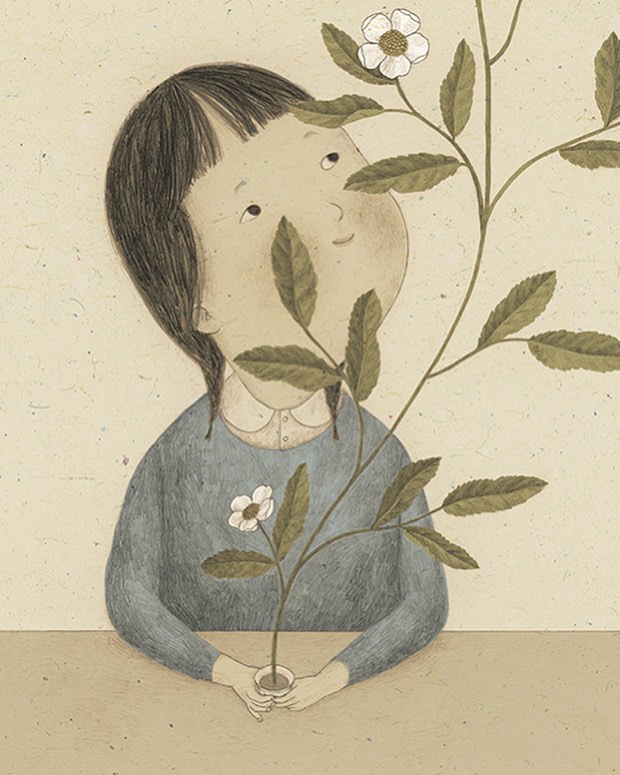
    Art by Jane Fisher
    October 13, 2025
    Daily Thoughts, faith, highly sensitive person, HSP, Life, mental health, softness, strength

  • Comparison Is The Thief Of Joy

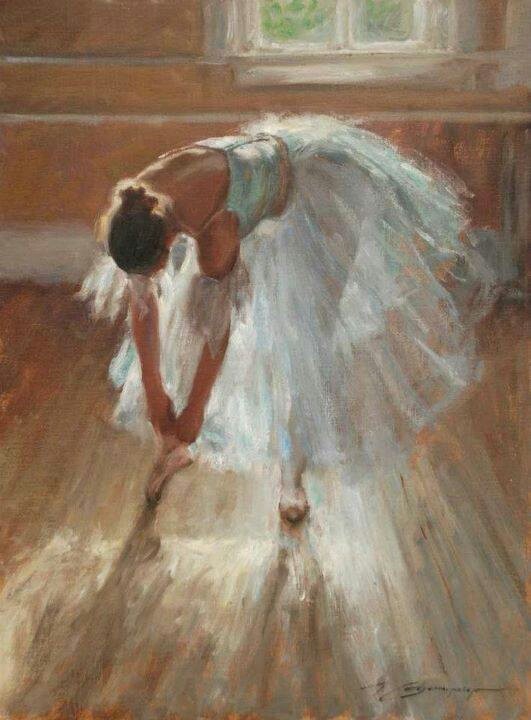
    I recently watched Joika a film based on a true story of Joy Womack, one of the first American woman to graduate from the Bolshoi Ballet. She goes through the gruelling process of extreme competitiveness, intense pressure and the need for mental resilience in the ballet world where perfection is often strived for. Beneath the pressures, and challenges, is a deep passion for dance. Comparison is inevitable in the art world, in most worlds to be fair, but most prevalent in the art world where perception of what is good is often subjective.

    Comparing oneself to others or specific situations often leads to immediate dissatisfaction. When we compare with others it can lead to feelings of inadequacy. However, when we compare with ourselves, and focus on making progress within ourselves, it can be true motivator. There are times where the first can motivate us, when we see someone doing well in a certain area it might give us an extra push to go for what we’ve always wanted to. However, constant comparison can lead us astray from our own path. It makes us focus on others rather than ourselves.

    Everyone is walking on their own journey in life, and they face their own challenges behind closed doors. We just don’t get to see those parts, because they tend to lie beneath the tip of the iceberg. Things are not always what they appear, and what looks desirable on the surface may have endured many struggles. Comparing yourself to who you were yesterday, admiring qualities in others that you would also like to adopt and practicing gratitude for what you already have helps in recognising that even through the pursuit of change and grow, you’re already enough.

    Art by Trent Gudmundsen

    August 8, 2025
    ballet, comparison, comparison is the thief of joy, Daily Thoughts, dance, joika, Life, mental health

  • Why I Stopped Going to Church

    Going to church every Sunday began when I was younger up until my early twenties. The recent news about Hillsong and Arise church this year sparked memories from my own experiences of growing up going to church. I’d previously attended Hillsong when I lived in Sydney and attended Arise church in NZ a few years ago.

    1) Judgment and gossip. It hurts to feel judged and gossiped about. I recall attending a Chinese church growing up where they gossiped about my family once my parents divorced. It was damaging to hear different things being said or adults asking me questions about my family and our personal lives.

    2) Superficiality and hypocrisy. When I attended Hillsong and Arise I found that image was very important. I noticed people were always smiling, and those who were on the stage were often wearing designer clothes. It felt superficial and fake at times. There was fake niceness but a lack of genuine kindness. I also questioned the level of transparency and honesty and actions that felt like a lot of hypocrisy.

    3) Lack of mental health awareness. There was this idea that God should be able to help you through your mental health journey. I believe faith is important and trusting in God’s plan, but I also think it’s important to have a level of compassion and action to help people. I observed that mental health is often unacknowledged in many churches.

    4) Friendships in churches. There was sometimes a sense of pressure to participate in groups, go to bible study, and volunteer. What I often found was when I left church and groups, most people cut ties and don’t contact you or respond to you anymore. It feels like it’s a transactional friendship that relies on going to church. People would often greet you but there was no deeper interactions.

    5) Tithing and church as a business. When I attended Hillsong there was an emphasis on tithing. There was also this feeling of guilt if one didn’t tithe. At the end of the day, the church is a business. I remember the last time I went, I realized how it felt extremely commercialized and I could tell there was a lot of money that goes towards the pastors and marketing. I felt a deep disconnect.

    6) Bible study group cult experience. One of the biggest lessons I’ve learned is that people will take advantage of others’ vulnerabilities. During a period of my life when I felt immensely vulnerable, I was looking to make friends and they encouraged me to join a bible study group. This began as a weekly bible group at a friend’s house. Further down the line, there was the encouragement to join a bible course.

    The course was for 6 months but there were elements that didn’t feel right from the beginning. They encouraged me to cut down on work shifts while I was studying, which I refused. When I was taking time off to go see family, they asked me to consider not going as it was important to commit to the group. There was also a strange aspect of secrecy. Don’t tell anyone you are attending this group and don’t take your notebook home.

    I ended up sharing with my family and flatmate and was grateful that I left within 1.5 months. The friends I made that I genuinely valued spending time with cut ties with me altogether and would later ignore any form of contact. This experience taught me about how it is so easy for people to take advantage of you during a vulnerable period.

    7) Church wasn’t aligning with all my values. I believe God loves and accept every person. It’s not right to tell anyone they should be this or that. There’s also arrogance in some churches where they believe if you are Christian you are better than other people and other religions. I recall a sermon where they talked about Buddhism and were implying that it’s less than Christianity.

    I still pray and believe in God but I stopped going to church a few years ago. There are aspects of how some churches are run that need to change. Love is accepting anyone with open arms no matter who they are. Love is shown through actions. A sense of feeling lost and isolated was one of the reasons I attended church. I wanted a sense of connection but often felt even more isolated.

    What were your experiences of going to church like?

    Art by Monica Barengo

    December 13, 2022
    arise, christianity, church, hillsong, mental health, pentecostal, Personal

  • How To Escape From Prison

    Discovering that I had a mental illness was eye-opening and brought clarity to the lens I had spent seeing the world throughout my life. The greatest freedom is making the decision to change even though it’s terrifying and confronting as hell. The truth is you are not powerless and you deserve to live a life feeling fulfilled. This is something I’m still learning to see. There’s a stigma still associated with mental health that can make it difficult to speak about it in a transparent way because there’s a fear of being judged, treated differently, and misunderstood. It can increase feelings of isolation in our experience, despite it being one of the most collectively shared experiences.

    In the book How to Escape from Prison by Dr Paul Wood he shares his memoir of his own experience in prison. The book was inspiring, raw and honest and it speaks from the heart and tells us that you can turn your life around no matter what false narrative you’ve believed in throughout your life. It was extremely touching and incredibly inspiring to know that change is always possible no matter what has happened throughout your life. You can overcome your inner demons and take control of your life. In the second section of the book, Wood talks about the Five Steps of Freedom.

    Five Steps to Freedom

    You were born free. We were born free. During our childhood we spent time running around, playing and laughing without creating self-defeating thoughts and beliefs. We wouldn’t overthink things and we lived in the present moment. As we get older our identity can feel distorted and we can feel lost in how we see ourselves and we can create limitations within ourselves. We create a birdcage that we enclose ourselves in despite having the key within us all this time.

    Choosing to break out of your mental prison. We all have a choice in how we perceive something and what we act upon. When we make the conscious choice to break out of our mental prison, we acknowledge those thoughts and beliefs that have been holding us back. It takes a lot of courage to break out of our mental prison because it’s far easier to be comfortable in what we know. The words we speak to ourselves have immense power as they are the reality that we live and the actions we take. We have the greatest choice to change our lives and our mindset.

    Make the escape. Taking the first step takes us onto the path of freedom. We often see reaching a goal as something that will take enormous effort. Wood mentions the importance of being specific about what you want to change. It can seem daunting and unreachable if our goals are broad and feel distant in the future. When making the escape there will always be a fear that we’ll need to confront. Making the escape means that we take those small steps that make a difference and listen to our ‘authentic voice’.

    Fight for your freedom. What do you spend your time doing? How do you speak to yourself? What are your values? The greatest battle is often the one within yourself. The thoughts you tell yourself are often the first barrier you will face. Overcoming those inner battles comes with self-discipline and self-control. Wood says “self-discipline requires practice, and the more you practice, the more naturally it comes to you […] they are developed through practice and application. They’re just like muscles.”

    Living Free. “Freedom is a journey, not an event” as Wood shares an analogy about fitness. You don’t exercise and immediately stay fit. It requires ongoing effort. Living in freedom isn’t a quick fix that brings us momentary happiness. It’s gaining strength and resilience to face life’s challenges and to live as your authentic self. Wood says the four areas to develop emotional fitness are your relationships, your thinking, looking after yourself physiologically, and your environment.

    What’s the mental prison that you create for yourself?

    Art by Becca Stadtlander

    April 5, 2022
    Books, Dr Paul Wood, mental health, mental illness, Mental Prison, prison


Loading Comments...
 

    • Subscribe Subscribed
      • Tien-Jen
      • Join 2,542 other subscribers
      • Already have a WordPress.com account? Log in now.
      • Tien-Jen
      • Subscribe Subscribed
      • Sign up
      • Log in
      • Report this content
      • View site in Reader
      • Manage subscriptions
      • Collapse this bar