
Friendships have been something I’ve struggled with since I was a child. In kindergarten, I often found it easier to play alone. It felt easier to play with the guinea pigs and rabbits. People seemed unpredictable and, at times, untrustworthy. There was a deep pain in feeling left out, and it can feel safer being alone. It’s the desire to have deep, meaningful connections with people and to feel comfort and ease with who you’re interacting with.
While these feelings started young, there are still moments in adulthood where that fear of rejection, self-doubt, or being misunderstood quietly creeps in. Feeling misunderstood or feeling left out hurts, and can make us feel like there’s something wrong with us, when there never was. But part of growing is learning to stay true to who we are, even in the face of discomfort. It means becoming our own close companion, having an inner confidence that doesn’t rely on constant validation, but on self-respect, patience, and trust in ourselves.
True friendship is having the ability to feel that you can be yourself with no judgment and to feel comfortable in the silence as much as the conversations. As with many things in life, you don’t know until you give it a try. You don’t know if you’ll be good friends with someone unless you give it a chance. It takes time to build relationships. You spend time chatting, asking questions, learning about one another and having shared experiences.
It’s so easy to think of the world but it’s important to look within. Set healthy boundaries, stay true to your own values, be honest with yourself and know what it is that you’re looking for in a friend and the qualities you admire and cherish. Anyone can make dozens of friends and spend much time socialising, but it’s rare to have one truly good friend.
Making friends as an adult can feel especially challenging. Most people already have established social circles, and life gets busier with work, family, and commitments. Everyone has their own schedules and routines. In high school or university, frequent, convenient interactions make friendships easier to form. Whereas in adulthood, friendships require more intention and effort.
It’s important to be content in one’s own company. We spend much of our lives alone. Learning to enjoy that solitude, rather than fear it, can be incredibly freeing. When we feel whole on our own, we’re more likely to attract people who respect and reflect that wholeness. Thinking about friendships, we have to face our own insecurities and be our biggest inner cheerleader, and in turn we can show up and attract more positive friendships.
When we sit with silence, accept our flaws, and focus on our own growth, friendship becomes less about seeking but more about two people being there to support one another. Friendship takes intention, self-awareness, patience and a dash of humour. And while not every connection will last (such is life) each one helps shape how we love and listen. The more we accept ourselves, the more we attract friendships that are loving, supportive and uplifting.
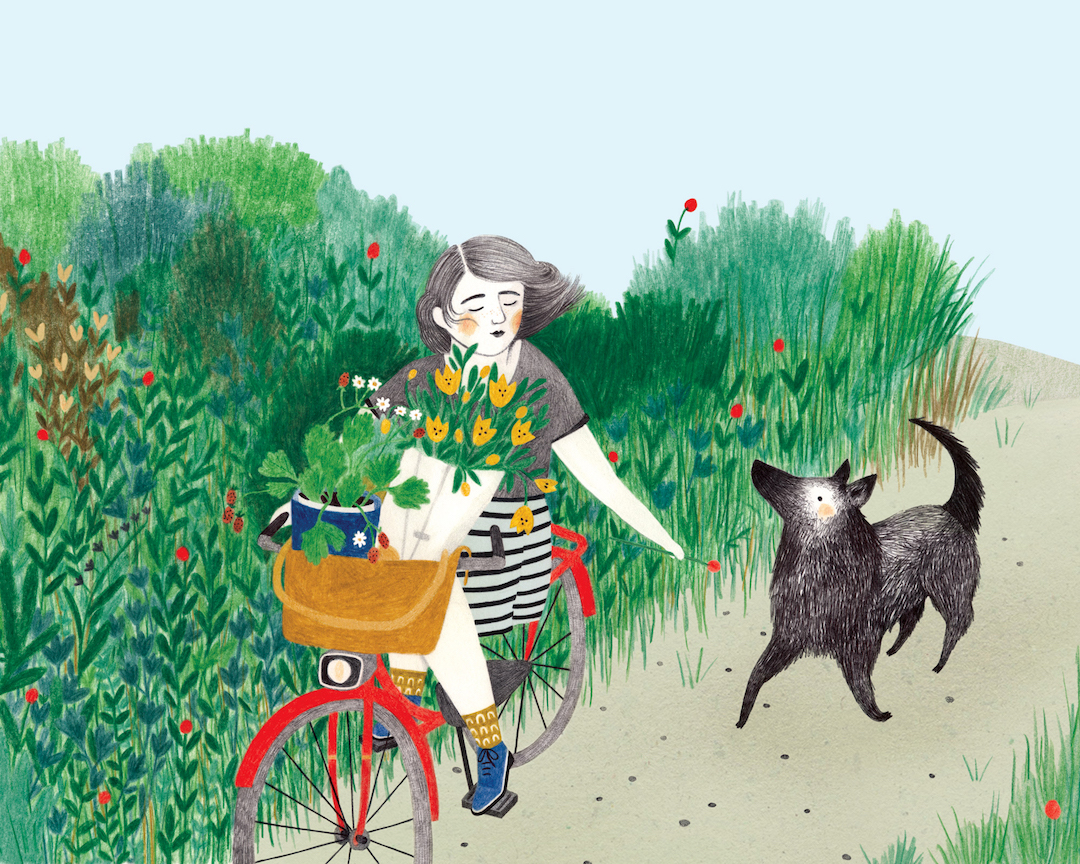
Art by Kate Pugsley






 Tien-Jen