Clothing is one of the largest polluters in the world and much of the clothing worn and unworn end up in landfills. When I think of why we end up buying excess clothing it makes me think of the quote by Dave Ramsey: ‘We buy things we don’t need with money we don’t have to impress people we don’t like.’ We are told by advertising and media to buy more in order to attain a certain kind of lifestyle or to be perceived a certain way. It’s more valuable to embrace your own personal style and wear clothing that will be worn throughout the years.
Both fast fashion and luxury brands produce clothing that have been made by children or women in poor working environments and are paid a miniscule amount. Those who create these products are barely paid enough whereas the corporations earn hundreds of millions of dollars. We don’t need so much in this world to be content, however, the increasing amount of dissatisfaction is from the false belief that we need more things to feel fulfilled and accepted.
We live in a world of excess production and consumption of materials, where much more care is often put towards appearances and money rather than how we treat others and our environment. In the past year, I’ve began selling and donating things I no longer wear or use. I realised we don’t regularly wear the clothes in our wardrobe. If I left the house on a chilly day I’d put on the same rain coat. Fashion allows us to express our own sense of style. It becomes a part of our identity but it shouldn’t have to cost the earth.
The ability to embrace the art of doing nothing allows us to appreciate periods of solitude. Social media has contributed to the rise of consumer culture and social pressures. These pressures can cause stress and a distraction from what is important in our lives. The concept of missing out is often labeled as a negative aspect, and it can often be perceived as antisocial.
There is great beauty in taking quiet moments during the day to just be in your own presence. There is great love in giving yourself permission to take time to rest, reflect and reconnect with yourself. The joy of missing out is taking time to enjoy the quiet moments and to embrace being who you are.
The art of slow. Our lives can be filled with endless things one after the other, or a never-ending to-do list. We live in a society that praises a busy and productive lifestyle by labeling these aspects as the definition of success. But the truth is that we are really only able to experience true satisfaction in life in the moments where we feel a sense of flow. Those moments are appreciated when we aren’t rushing through the world.
Finding balance. We practice moderation through how much we consume. These include food, exercise, or technology. We can focus much more deeply when we take time to switch off, practice being mindful of our actions and become aware of where we are placing our attention and time. The joy of missing out on what is always happening in the world can also be beneficial for one’s mental health. Taking a break from technology can allow oneself to focus on being in the present.
Simplifying one’s life. When we let go of the need to chase excitement or fill our lives with things, we have more time to do all the things that make us truly happy. There is a false belief that we must always buy the latest thing, stay on top of trends or achieve something great to be happy. It’s truly the small and simple things in life that can give us the greatest joy. It can be the smallest things that can trigger a sad or happy memory.
Staying authentic to yourself. The joy of missing out means that we can spend more time doing things we enjoy. The time we spend alone is precious, as those moments are where we face our thoughts, feelings, memories and experiences. We have space to reflect and think about life. We can focus on change and growth and we can spend time in our favourite hobbies. When we stay true to ourselves, we feel the greatest sense of freedom. It takes effort and energy to not be who you truly are.
Deeper connections. We only have so much time and the time we spend with people is the connections we are investing in. By surrounding yourself with people who truly care about you, you nurture a deeper connection. It takes time to really get to know someone, and it takes energy to be there for others. When we miss out on other things, we can spend time with the one’s we love. Relationships are beautiful things. The people we surround ourselves with and spend time with the most have a greater impact on us than we may consciously be aware of.
The path we’re meant to be on. Many things in life are a blessing in disguise. In the moment we might not understand why it happened or we might feel that it was unfair. There are aspects that may be a perception of failure but we are yet to realise that the best is yet to come. Sometimes we think something is a setback when it’s really pushing us forward to where we need to be. The joy of missing out on an opportunity can be the greatest blessing to discovering where you’re meant to be.
Growing up in New Zealand, I learned to speak Mandarin Chinese first. It was difficult to maintain interest as a child when my classmates, friends, and teachers were speaking English. I remember once I started going to school my Chinese regressed. I’d go to Saturday Chinese classes unable to recognize the words on the whiteboard and struggling to understand what the teacher was saying.
Fortunately, my parents insisted my sister and I must speak Chinese at home, otherwise, I imagine I would’ve forgotten a significant amount of the language. It was in my later teens I felt a desire to improve my Chinese. I wanted to feel a deeper connection with my culture as well as the ability to communicate with more fluency with my family.
1) It’s fun! Learning or improving any language can be a fun task. You can be met with challenges and amusing experiences. When I was a child, my father was reading to me in the library, and a young boy came up to him to ask “What are you speaking?”. My Dad replied “Mandarin”. The boy replied “I speak pineapple!”
2) It helps you understand your culture and identity. There is a greater respect for one’s culture when you understand the language. When you retain your mother tongue you are maintaining your cultural identity and you have a more deeper connection with it.
3) It’s the most spoken language in the world. There are over a billion native speakers in Chinese in the world. By improving your Chinese you can expand your opportunities internationally, or engage with more people and open your world view and perspective.
4) It helps you improve your English skills. Understanding your mother tongue well helps you in learning English. Research points to how incomplete or inadequate skills in the first language make learning another language difficult for the child.
5) It improves cognition. Learning and improving a language enhances brain plasticity, as every time you learn something, you promote neuroplasticity. Studies have shown that people who are bilingual tend to have better cognitive skills than those who only speak one language.
I recently watched Our Planet on Netflix and you can see the incredible beauty in nature, the vastness of the ocean and the animals that wander the earth. The series makes one more conscious of the impacts of climate change and how human beings have significantly impacted the planet. There’s something humbling about being reminded of the fact that we are not alone on this planet.
Our world is struggling and it’s clear with events such as the flooding earlier this year in New Zealand. The goal is not perfection. The reality is that there are systemic and societal changes that need to drastically change in corporations and government. There are many little steps we can take but here are some little steps we can take that can help:
1) Eat less meat. Meat contributes to the release of greenhouse gases. Not to mention, meat is overproduced. In the past, I worked at a organic supermarket where we had to throw out dozens of of expired chicken each week.
2) Buy less. We don’t need so much yet our world is built around product consumption. It’s a wonder why landfills are filled with so much rubbish. Making a conscious choice to buy less means less clutter and more room for the things that matter.
3) Cut electricity. A small act but making sure to switch off the light and cutting down any aspect of electricity minimizes the amount of carbon emissions. Eg. water usage, switching off power plugs.
4) Transportation. Walking, bicycling or taking public transport are all ways to minimize one’s carbon footprint. Transport is one of the largest sources of greenhouse gas emissions and is responsible for 17 per cent of NZ’s emissions.
5) Reuse. When something can be reused it means less waste is created. Eg. reusable bags, drink bottle, containers, clothing. It can also change our attitude so that we can appreciate more of the things that we have.
A century ago, it would’ve seemed strange to picture photos and artwork with people holding a phone in their hand with their heads bowed down. Today, it’s a norm to walk down the street messaging someone. I miss the days when phones weren’t such a massive part of our lives. I remember talking to strangers more and making friends through the same silence and simply breaking it. However, now it’s easy for people to avoid silence by using their devices. We spend so much time staring at screens now.
One of the things I’ve always had a hard relationship with is the mobile device. I remember using a flip phone for as long as possible until it broke. I was nineteen when I purchased my first touch phone and I always felt it unnatural to use it all the time. I felt an overreliance on it yet a convenience. I’m grateful that it helps us connect in many ways with our family and friends who may not be close by, but I see that it is also making us more disconnected in other ways.
One way to limit phone use is to remove apps that you don’t often use or that you’re mindlessly clicking into. You can switch off notifications or put your phone on silent. One of the ways I’ve found helpful in using my phone less during the day is consciously setting it aside somewhere or putting it on silence. It makes you feel more present and feel more engaged in your day-to-day moments, without the distraction of a phone.
My phone can sometimes give me slight anxiety and urgency, take away precious time, and the less I use it, the more present I feel and the more focused I am. I found after removing several social media platforms in the last few years, it’s helped me feel less anxious about staying up to-date with everything. I find it helps to take moments to just read a book, write in a journal, or play the piano. Everything is more enjoyable in the long run when it’s in moderation. There are endless things to enjoy without the presence of our phones.
Going to church every Sunday began when I was younger up until my early twenties. The recent news about Hillsong and Arise church this year sparked memories from my own experiences of growing up going to church. I’d previously attended Hillsong when I lived in Sydney and attended Arise church in NZ a few years ago.
1) Judgment and gossip. It hurts to feel judged and gossiped about. I recall attending a Chinese church growing up where they gossiped about my family once my parents divorced. It was damaging to hear different things being said or adults asking me questions about my family and our personal lives.
2) Superficiality and hypocrisy. When I attended Hillsong and Arise I found that image was very important. I noticed people were always smiling, and those who were on the stage were often wearing designer clothes. It felt superficial and fake at times. There was fake niceness but a lack of genuine kindness. I also questioned the level of transparency and honesty and actions that felt like a lot of hypocrisy.
3) Lack of mental health awareness. There was this idea that God should be able to help you through your mental health journey. I believe faith is important and trusting in God’s plan, but I also think it’s important to have a level of compassion and action to help people. I observed that mental health is often unacknowledged in many churches.
4) Friendships in churches. There was sometimes a sense of pressure to participate in groups, go to bible study, and volunteer. What I often found was when I left church and groups, most people cut ties and don’t contact you or respond to you anymore. It feels like it’s a transactional friendship that relies on going to church. People would often greet you but there was no deeper interactions.
5) Tithing and church as a business. When I attended Hillsong there was an emphasis on tithing. There was also this feeling of guilt if one didn’t tithe. At the end of the day, the church is a business. I remember the last time I went, I realized how it felt extremely commercialized and I could tell there was a lot of money that goes towards the pastors and marketing. I felt a deep disconnect.
6) Bible study group cult experience. One of the biggest lessons I’ve learned is that people will take advantage of others’ vulnerabilities. During a period of my life when I felt immensely vulnerable, I was looking to make friends and they encouraged me to join a bible study group. This began as a weekly bible group at a friend’s house. Further down the line, there was the encouragement to join a bible course.
The course was for 6 months but there were elements that didn’t feel right from the beginning. They encouraged me to cut down on work shifts while I was studying, which I refused. When I was taking time off to go see family, they asked me to consider not going as it was important to commit to the group. There was also a strange aspect of secrecy. Don’t tell anyone you are attending this group and don’t take your notebook home.
I ended up sharing with my family and flatmate and was grateful that I left within 1.5 months. The friends I made that I genuinely valued spending time with cut ties with me altogether and would later ignore any form of contact. This experience taught me about how it is so easy for people to take advantage of you during a vulnerable period.
7) Church wasn’t aligning with all my values. I believe God loves and accept every person. It’s not right to tell anyone they should be this or that. There’s also arrogance in some churches where they believe if you are Christian you are better than other people and other religions. I recall a sermon where they talked about Buddhism and were implying that it’s less than Christianity.
I still pray and believe in God but I stopped going to church a few years ago. There are aspects of how some churches are run that need to change. Love is accepting anyone with open arms no matter who they are. Love is shown through actions. A sense of feeling lost and isolated was one of the reasons I attended church. I wanted a sense of connection but often felt even more isolated.
What were your experiences of going to church like?
When we come into the world we have nothing but ourselves. When we leave this planet we have nothing but ourselves. We already have everything that we need within our body, mind, heart, and soul from the moment we enter the world. We are already enough. The trees don’t ask for so much more than sun and rain, the birds enjoy singing in the early morning hours, and the moon shines happily in the sky at night.
Much of the unease in life is from feeling that there is a cup to fill within ourselves. The belief stems from what we’re told in the world about not being enough. The idea is that we can only be enough if we are accepted by others. The true joy that comes in this life can only come from within. This is why some people spend a lifetime chasing happiness rather than finding joy within. The more we run away from our fears and problems, the more they continue to appear in our lives.
After reading “You Can Heal Your Life” by Louise Hay, it really touched me and I loved how she talks about the importance of gratitude and how we talk to ourselves. We become our thoughts and we choose our thoughts. Life is what you make of it, and although you may not be able to control all events that may happen, you are in control of how you respond to it and how you choose to see it.
We don’t need a lot in life to be happy. To have one true friend is a blessing. To have water to drink and food to eat is a blessing not everyone has. To have a roof over one’s head and to be here is a blessing. To breathe with ease is a blessing. The small things can often bring the greatest joy. The feeling of lightness in one’s heart without the weight of worrying or being afraid. You are deserving of happiness. It’s already within you from the day you’re born. You are enough.
Has there been a time when you’ve felt unheard or ignored? Has there been an instance where you try to chime in only to have someone interrupt you or ignore what you had said altogether? It is frustrating and it can make us feel as though nobody cares about our opinions. Most often people are too wrapped up in their own thoughts that they don’t notice someone else trying to add to the conversation. I found that there have been moments someone simply hasn’t heard my voice. It’s taken time to learn that it isn’t personal.
Being soft-spoken and assertive can seem like two opposing forces not destined to fit together. Assertiveness was often associated with aggressiveness in my mind. I felt that if I’m being assertive, I’m asking too much. I’ve learned over the years that it’s a healthy way of setting boundaries and communicating your needs. Being assertive is one of the most important interpersonal skills. Assertive ties in with respecting yourself and others, and having a level of self-assurance.
Being assertive means being kind and honest. It can cut misunderstandings and show that you care about the person, situation or topic you’re talking about. It’s important to set boundaries and learn to say no. There’s no need to overexplain or over justify yourself. Saying no in a polite and assertive manner is having a level of sensitivity and care. Becoming more assertive takes practice much like learning a language and gaining fluency. It may feel unnatural and uncomfortable at first, but it’s one of the best ways you can take care of yourself.
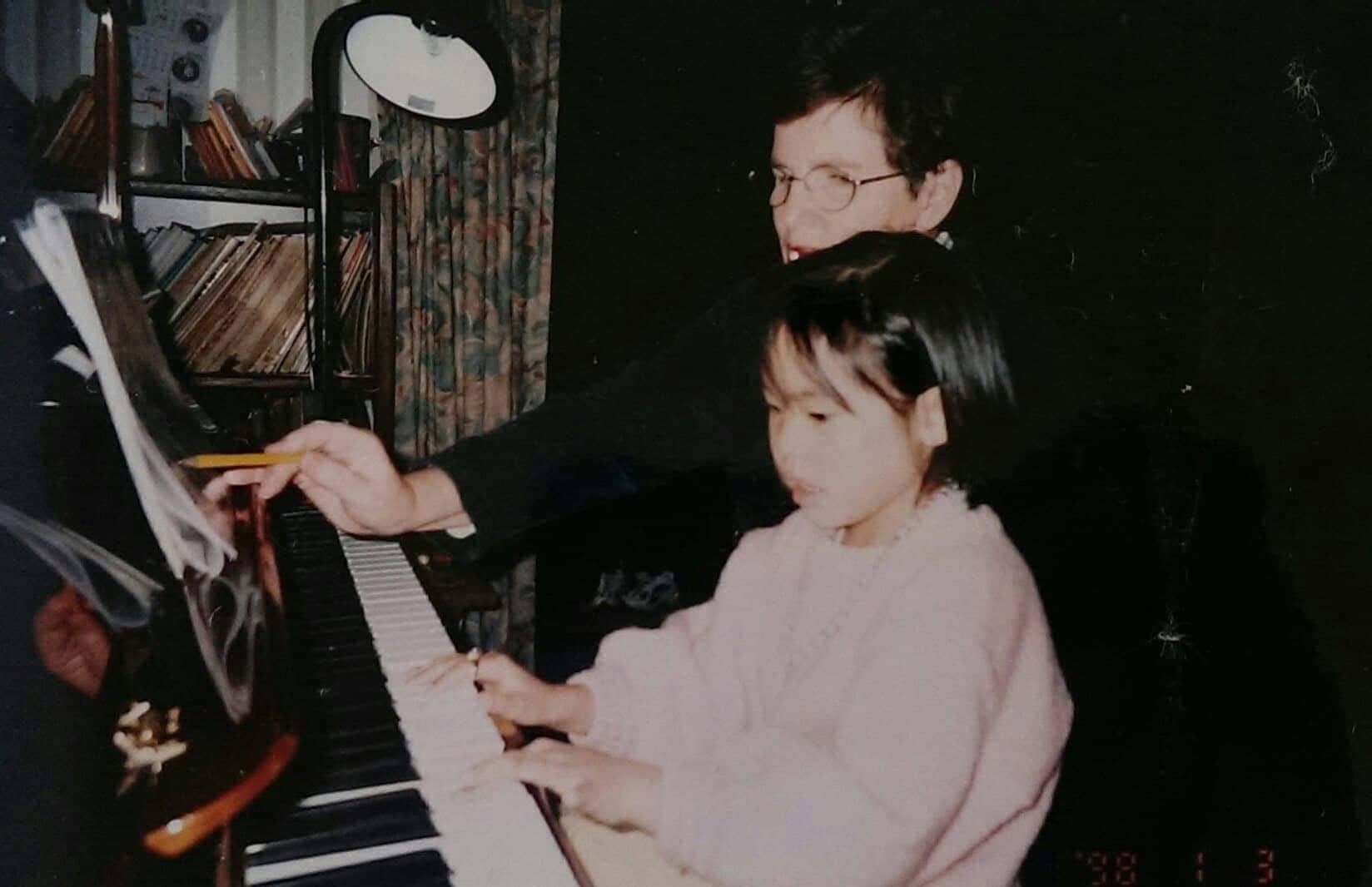
Do you remember the first time you saw a music performance? I remember watching The Phantom of the Opera and I immediately fell in love with it. As a child, I’d play piano music out loud and dance around the house, listen to tapes for hours, and watch musicals and orchestral performances dreaming of being a musician. At school, we had the opportunity to try different instruments and I remember playing the recorder. I enjoyed reading the notes on the page and playing some simple pieces. Soon, I would say goodbye to my recorder and start playing the flute.
I feel a deep sense of peace writing this as it’s been something on my heart for many years. I spent a lot of time and dedication to music each and every day. I remember playing in jazz band, flute choirs, orchestras, completing examinations, participating in competitions and workshops, playing in concerts, busking, piano accompaniment, and music teaching. Attending music lessons each week for piano, flute, singing and music theory. Gaining wisdom and knowledge from my music teachers. The digital piano that I played on as we couldn’t afford an acoustic one.
One day I applied for a scholarship to have a free piano for a year, I remember it was a beautiful dark mahogany Boston piano with the most beautiful sound. I’d spend the day playing on the acoustic piano and the night with my headphones playing the digital piano. I was extremely hard on myself and would often doubt myself or have a level of perfectionism that made me feel frustrated at times. I loved music though, how I could work on something again and again and express my heart and soul. I often struggled to vocally express myself and music breaks all boundaries as it is the language that anyone can feel and understand.
When I was fourteen I was very determined to go to university to study music and become a music teacher and orchestral musician. At sixteen I left home and studied at the School of Music in NZ for a Bachelor of Music in classical performance on the flute. I was a very passionate soul who was entirely obsessive about music and saw it as my life. The first year of music was exciting but sadly became very tough on my mental health. I remember feeling depressed and suicidal. It was difficult.
During the second year, I dropped out at the end of the year with just one year to go. I was 18 at the time and struggling with my mental health and questioning what exactly did I want to do. Everyone was surprised and so many people said why are you giving up? I didn’t like to feel I was giving up at the time. I felt I disappointed those who believed in me, through all the hard work and energy, and enthusiasm I put through. It sounds dramatic, but a part of me after letting go of music for so many years felt that there was something missing within me.
Music has always been a way to express my soul. When you may struggle to find the words to completely express what’s within you can express this through music or any other form be it painting, dancing, singing, or writing. This year I started playing the piano again, which has been incredibly healing. Music is something that always stays with you. The greatest joy this time was that it felt like I was doing it completely for myself, not to please anyone, not for any acceptance. Music brings a sense of peace, presence, and joy and connects us to our inner world and the world outside. A world without music is unimaginable.
What instrument(s) do you play?What instrument would you like to play?
The greatest joys in life are often simple things. Thinking about a life offline makes me feel nostalgic as I transport to a time when we listened to tapes, spent lots of time at the beach and hung out with the neighbours. Recently, I’ve been thinking about our screen time and how we live in a society with a growing phone addiction. Sitting on the bus I looked around and saw everyone’s heads down looking at their phone. I feel guilty of this too. After watching The Social Dilemma it made me think about our digital consumption and digital footprint and how valuable it is to spend more time offline.
Being present and curious aboutthe moment. After scrolling, reading, or watching something on my phone, there’s this desire to do something that really feeds my soul. Looking around you can discover so many things just by being curious. Curiosity makes me think of Alice in Wonderland, wandering into the Rabbit hole. It makes me think of adventure, exploring, experience and learning. When we’re curious about our surroundings, we’re more engaged and present. We don’t dwell on the past but focus on what’s happening in the now.
Spontaneous conversations with strangers. There’s much we can learn from small interactions with people. Having random conversations with people at the cafe or bus stop (if it’s safe to do so) can be another way to engage in the world. It helps us pause for a moment and see the world through a different lens. It’s easy to go through a day seeing the world from our own perspective, but we can learn so much from talking to people. It can also make us feel connected to the world and remind us that we’re not alone.
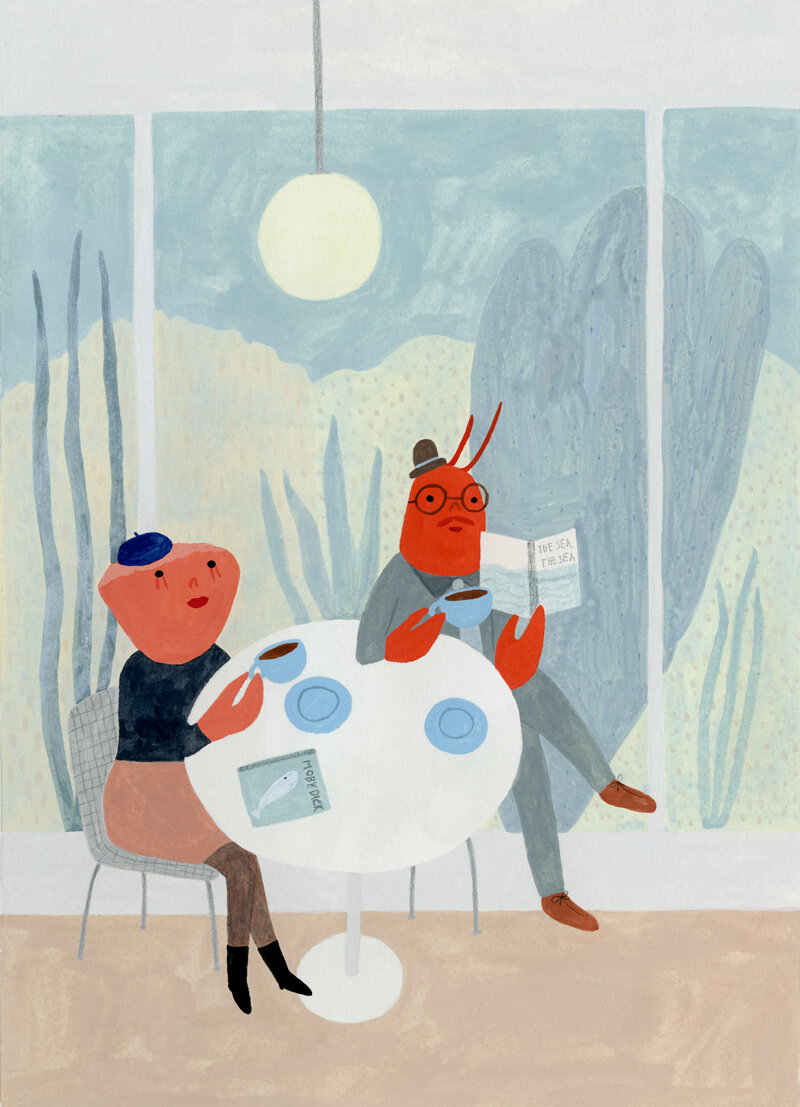
The Art of Daydreaming. People watching is one of those small pleasures in life. Imagine sitting at a cafe staring outside the window with the coffee aroma floating in the air as you watch people wander past. It’s nice to do nothing and just let your mind wander. In contrast to being present, sometimes having a momentary moment to escape reality can be fun. I find daydreaming makes me feel in touch with my creativity and my child-like self. Creativity is best explored when there are no distractions, and it’s just you and your mind in conversation.
Spending time doing the things you love. I’ve had a pile of hundreds of origami paper sitting around for half a year and they breathed a sigh of sweet relief when I opened the package. It was fun to fold them into a swan or a box. There was something therapeutic about it. I think of spending time with your loved ones, going for a long walk, playing or listening to music, or exploring the city. The wonderful thing about time offline is enjoying the hobbies and activities without the interruption of a screen. There’s something about when you do something you love that makes you feel more present and alive.
Take care of your well-being. Technology can impact our sleep, mental health, and overall wellbeing. It’s easy to feel more stimulated after spending time online or watching something before bedtime. Spending time doing things such as meditating, journaling or reading can help you unwind at night time. I found removing several social media platforms helped with my mental health. It’s common for many of us to spend several hours during the week on our computers at work. Taking time to switch off is beneficial for our minds and wellbeing.





 Tien-Jen