Tien-Jen

  • About
  • Blog
  • Books
  • Culture
  • Daily Thoughts
  • Fashion
  • Personal
  • Contact
  • Portfolio
  • A New Zealander’s Story On Being Chinese

    I finished reading Being Chinese – A New Zealander’s Story by Helene Wong in two days, and it really made me think about my own background, experiences and thoughts on being a New Zealander. Wong was born in Taihape, with a mixture of second and third generation in her family, and in her book, she explores her family history. She shares her experiences in acting and theatre, and the stereotypes and often lack of authentic representation that occur within the industry. I really encourage anyone to read this book, as it really makes you think about the importance of cultivating a society that treats everyone the same. It’s something we should all strive for. It makes one reflect on their own background and the portrayal of Asians in the arts and media.

    I think about how when I was younger, I sometimes never felt quite completely Taiwanese, when I was in Taiwan, and yet not quite completely Kiwi when I was in New Zealand because of my appearances. Even though I was born and raised here. There is a sentence in Wong’s book where she writes “I ask myself, just how Chinese am I?”, and as she writes about her childhood, there were many parts that I could relate to and I believe many Asian Kiwi’s may have also experienced.  

    Growing up, there was this feeling of Other as my last name would say. There would be the constant mispronunciations during school assemblies and prize giving, yet it was something I simply got used to. In Chapter 3 titled ‘I never think of you as Chinese’, she shares a story in which someone said those words to her. She talks about assimilation, and it made me think about an English paper I took last year, where I did an essay on Amy Tan’s essay on Mother Tongue. It made me think about accents, and how often I noticed growing up that because my parents had Asian accents when they spoke English, they were perceived a certain way compared to an Asian with a Kiwi accent.

    I related to Wong’s love for writing, as English was always one of my favourite subjects, and I loved writing essays, reading books and spending time thinking and analysing about texts and meanings. Wong talks about how because of one’s physical identity, we will be viewed a certain way. It made me think of when I was placed into ESOL (English for Speakers of Other Languages) in primary school, even though my English is fluent. It makes me think about how because of the way one looks, I will always be inescapably asked where I am from. If we look at the arts, media, advertising and many other industries in New Zealand, we have to emphasise that there is a need for more representation.

    Wong writes about the films she grew up watching, and how often stereotypes and whitewashing occurred. She writes “…there only for their ‘Chineseness’. Worse, if they were anything more than exotic colour and had dialogue, the parts were usually played by white actors in slitty-eyed yellowface. They made me squirm with anger. Despite evidence all around us of Chinese people doing the same things as everyone else – in my own family, occupations ranged from nurse to architect, hairdresser to psychologist – Chinese were never cast in these roles.” She talks about food, as she writes “…when the look, taste, texture, fragrance and sound of a dish all came together it was art, and eating it brought a burst of joy.”

    When the nineties arrived, there was an increase in immigration. Wong talks about how during this time, she really became ‘Asian’. She talks about the media stories in 1989 about immigrants, which used the phrase ‘Asian Invasion.’ She writes that “White New Zealanders were suddenly seeing more Chinese faces on the street…They did not say the same of the South Africans who were also arriving in the country under the same immigration policy. Chinese were too different – in looks, speech, behaviour.” She continues to write that “The Sinophobia also came from longstanding beliefs in the West that Chinese were inferior.” When people deny this, they roll everything under the carpet to keep it quiet. However, I really believe that we need to speak about it more.

    The term ‘casual racism’ is used, and I think about how often it comes from ignorance and unintentional offense, and other times it’s overt and covered as a joke. It really starts with accepting and being respectful of everyone’s differences. Every individual person is so unique, full of layers and has a beautiful story to tell.  Auckland is one of the most culturally diverse cities, and being born and raised here, I call it my home. However, there is still a lot of room for improvement and change, and I believe that we can and we will see more diversity in the arts and media industry.

    Photography by Sun Jun

  • The Way We Dress Affects How People Treat Us

    Dressing well is a form of self care. I talked to a friend of mine, and we had a really interesting conversation about how we present ourselves, how people treat us when we dress well and she told me how she believes that dressing well is a form of self care. The words really stuck with me, because they ring so much truth. She was telling me about her experience, in which when she entered a clothing store, she was wearing jeans and a top. During that day, the retail assistant didn’t acknowledge her. The next day, she was wearing a stylish outfit that was very much in her style, and the retail assistant paid attention and approached her to ask if she needed help.

    I know this can sound terribly shallow, because shouldn’t someone regardless of the way they look be treated the same? Absolutely, I think we should always treat others fairly. However, it’s also common that we will assume what someone might be like, based on what they wear. As this is most often the first impression. There is psychology behind the way we dress from the colours we wear. I do believe that to an extent, the way we dress and present ourselves will affect how others treat us. Clothes are a form of self expression that speaks for itself.

    As I previously mentioned, I do feel that we shouldn’t judge someone for the way they dress. However, I also do feel that the way you dress is also an expression for how you feel about yourself. This means, if a person wears jandals, sweats and a jersey all the time, they might not be taken quite as seriously as a person wearing a tailored dress and flats. When we are presented as clean and tidy, we are more likely to be treated with respect, because it shows self care to oneself. Although, when I watched The Pursuit of happyness a few years ago, there is a scene here that shows that ones true character, attitude and ability is through who they are, not their clothes.

    It’s good to look at both sides to gain perspective, because on one hand what we wear is important in presenting ourselves. On the other hand, we should be judged by our character and abilities, and not the way we look. We have power in choosing how to present ourselves to the world, through the silent language of fashion. The Huffington Post article says “Your style and the clothes you choose reflect and affect your mood, health, and overall confidence.” I think fashion can be empowering, when we fully embrace our personal style. It creates a natural confidence in knowing who we are.

    This is why I don’t tend to wear bright coloured clothing, as most of them don’t tend to reflect my personality or how I feel about myself. I feel most myself when I wear black, navy, grey, brown, dark colours or denim. Black clothing takes up 90% of my wardrobe, because I feel that I suit it the most. It makes me feel clean cut, stylish and effortless. The colour psychology in what we wear can really make a difference in how we feel about ourselves, and how others will feel. I find wearing dark colours makes me feel organised, chic and well groomed.

    I remember talking to a coworker, and he said he literally judges books by its cover, and I said to be honest, so do I. I may be more attracted to covers that have an artwork that I like, the colours that they use or a photograph that really speaks to me. We were talking about book covers, but it made me think about how what we wear is similar to the way we look at book covers. We may judge in that split second, what the content may be, in terms of what someone might be like. First impressions are important when it comes to how we dress, and after that it’s really getting to know someone for who they are.

    Think of when you went on your first date, your first interview and your first dance. You probably made effort in grooming yourself a certain way, to present yourself for the occasion. In the video above, it talks about how dressing well is not only a sign of respect for yourself, but also for those around you. I do agree, and I also truly believe that dressing well can affect our emotional well being. I remember when I was freelancing, I would still get dressed in the morning as if I was going to an office. It made my mindset more focused on working, rather than staying in my pajamas.

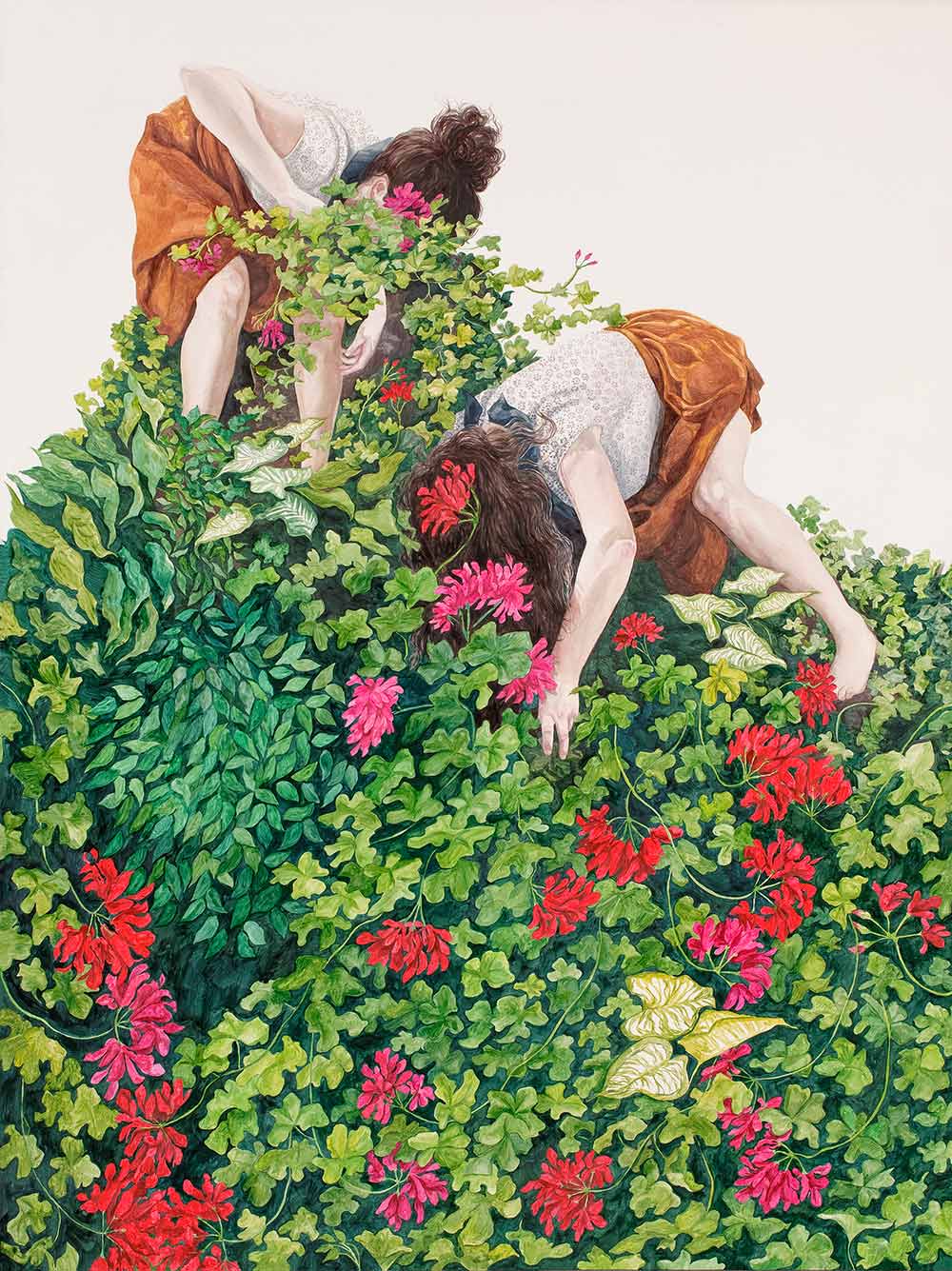
    Art by Renée Gouin


  • The Reason Asians Carry Umbrellas In The Sun

    When I’m living in Taipei, I feel like it’s completely normal to put up an umbrella when the sun is out. It’s very common in many Asian countries, such as Taiwan, Japan and Korea. On Summer days like today, the sun can be very harsh in Auckland, and I tend to use an umbrella to stay cool and avoid getting sun burnt. Skincare is incredibly important, particularly in Eastern Asian culture, where beauty products have an emphasis on having healthy, bright skin. Our skin is the largest organ, which is why we must take good care of it, as it reflects our health.

    Protecting your skin from early signs of aging. In order to avoid blemishes, wrinkles, spots and sun burns, sun protection is very important. I do feel that this is one of the reasons why some Asians look younger than their age, as many spend a lot of time taking care of their skin. Many people invest in skincare products that help maintain healthy and glowing skin.

    Keeping cool under the umbrella shade. When the sun is blazing hot, an umbrella can be a great way to create some shade. It allows one to stay cool during the hot Summer months, when it seems like 2 minutes in the sun will make one start sweating. I find an umbrella helps, as my hat can only cover parts of my face, but an umbrella can cover your face and neck.

    Avoid getting a sun tan. I still remember when my sister and I were in Taiwan as children, and we walked past two elderly ladies. One of them said “她們好黑!” which translates to “They’re so tanned!” because growing up on a farm, I tended to be playing outdoors all the time and had a very tanned complexion. There is nothing wrong with having a tan. As I grow older, I prefer to embrace my natural complexion.

    The beauty standards are different. When I was living in Sydney, it was common during the Summer time to see topless men and women in bikinis at the beach, park and backyard tanning. It’s similar in NZ, where many Caucasians feel that a tanned complexion gives a warm glow that’s attractive. In East Asia, pale skin is seen as beautiful.

    It’s important to get enough Vitamin D from the sun each day, however this ranges from 15-30 minutes. If you are in the sun for several hours or travelling a long distance, then it can increase the chance of getting a sun burn. Remember to always wear sunscreen. It’s good to have a habit of wearing sunscreen everyday and protecting yourself from the sun. What are your thoughts? Do you carry an umbrella when it’s sunny? 

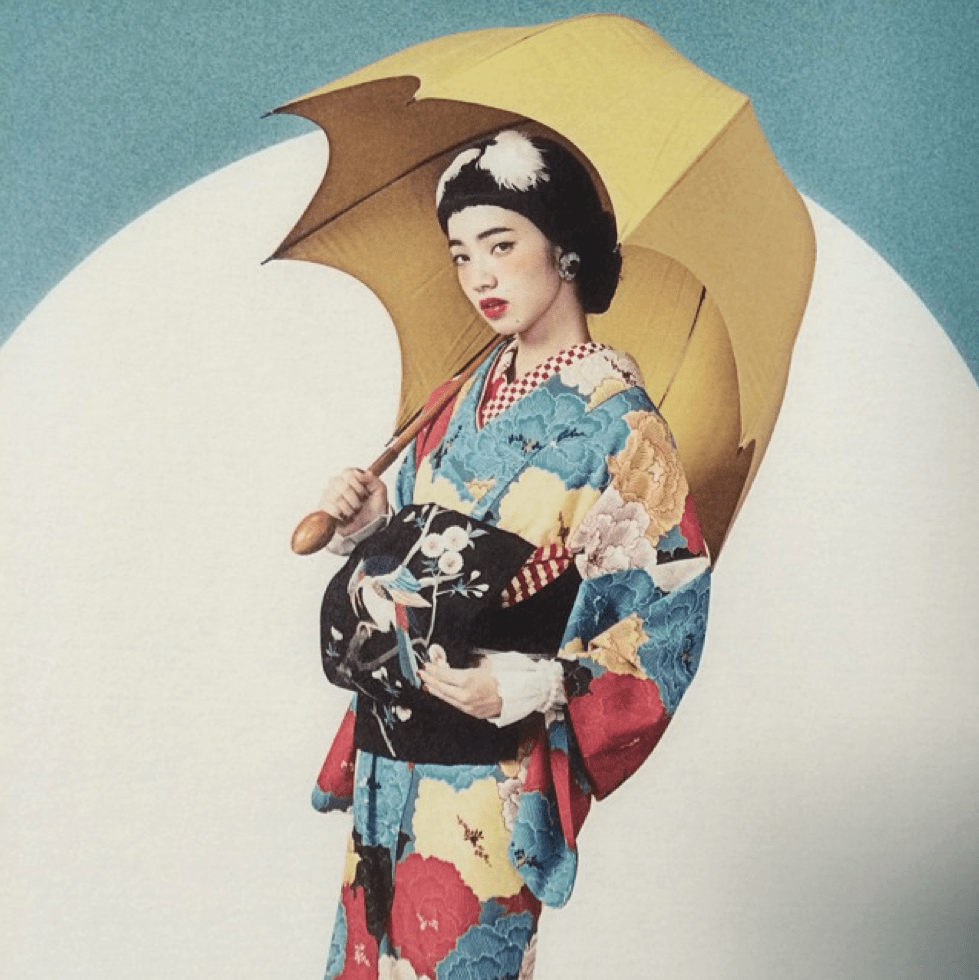
    Nana Komatsu for Kimono hime November 2014 Shodensha Mook 

  • Ethical Fashion And The Rise Of Consumer Culture

    ROH7304.jpgClothes are one of the largest polluters in the world. There is so much we don’t see from the clothes we wear, from the source of the fabric, where the cotton was grown, how much water was used to bring the piece of clothing to life, what environment the worker who sewed the piece of clothing worked in, how much they are paid and many other aspects that are often clouded by heavy advertising that shows the clothing in an attractive manner to grasp our attention. We are all filled with stories, and everything we come across has a story to tell. The smallest pebble may have crossed an ocean, and yet it’s easy to see something and only see the surface of it.
    I met a lovely person yesterday with such a passion for ethical fashion, it was truly inspiring and motivating. If you have Netflix then I highly recommend watching the documentaries: The True Cost and Minimalism: A Documentary About the Important Things. A consumer culture is an ideology that tells us that we should acquire more things in order to build a sense of satisfaction within our lives. It encourages spending culture, building a desire for a lifestyle and convinces you that it is a source of happiness. It is a fact that the experiences we have outweigh the materials we own, and that building memories and relationships are far more valuable and will give true happiness that can sustain a lifetime.

    What we consume should also reflect the value of long lasting wear and use. The power of advertising and marketing, is that it convinces the consumer that purchasing a particular good will change your life in a certain way. They persuade you that certain products can give your life more meaning or interest. In this interesting conversation I recently had with the person, we talked about how in the documentary there is a scene where there are massive sales in an American store. There are hundreds of shoppers rushing and running around the store, grabbing as fast as they can and even some fighting and pulling for something they have seen first.

    The problem with the fashion industry is that many large companies mindset is to earn a huge amount of profit. There are those who are passionate about design, sourcing eco-friendly fabric and will only allow their clothes to be made in a production and manufacturing company that pays its workers a living wage in a safe environment. However, the over saturation of the industry is filled with actions that are corrupted. In an article here, it says The tragically poor and exploited lives of Chinese chip makers and Indian and Bangladeshi seamstresses are gaining worldwide visibility. Recent news concerning the unsafe living and working conditions of great masses of people is likely merely the tip of the exploitation iceberg.

    I watched a film last night called The Shape of Water, (spoilers ahead) which delved with an array of themes. The film features an ocean creature, who is viewed as a monster by some of the characters within the film. However, there is a character who really is the monster, who takes advantage of his power and creates fear. He is an example of a capitalist consumer, such as when he is in a Cadillac store, the car salesman tells him that the teal car is driven by 4/5 most successful men in America (or something a long those lines). In the next scene, we see him drive off in one. It’s a clear example of how there is a certain value placed around materials, and how it shows and communicates one’s status, lifestyle and position in society.

    Fashion is often viewed as superficial, but we all need clothing to wear, and the reality is that it is a form of comfort and communication. I don’t think Fashion is superficial, but really only certain people who make it superficial. It is those who believe that materials can show that they are better than someone else, that is one of the worst yet most common aspects of consumption. The truly superficial are those who produce clothes without any care for those making it, or the environment. These people in power have a lot of power to make great change, yet many companies only care about earning money. They will create a beautiful image from the advertising of the goods, but behind the scenes may be a sad reality.

    It’s important to remind oneself of what are the truly important things in your life. The relationships you have are ultimately the biggest, as well as striving to do our best for the Earth. The character shows that many of us have an inkling of what we should do, but may not do it. An example, is when other’s decide not to recycle, those who litter, don’t try to understand the system or don’t care about the environment. It takes time, but it’s a matter of educating, spreading the message and raising awareness. It’s also a matter of turning it into action in your own life, and making the decision to consume less and support brands that have good ethics, transparent production and honest values.

    What are your thoughts on consumer culture? How do you think we can make improvements in the fashion industry?

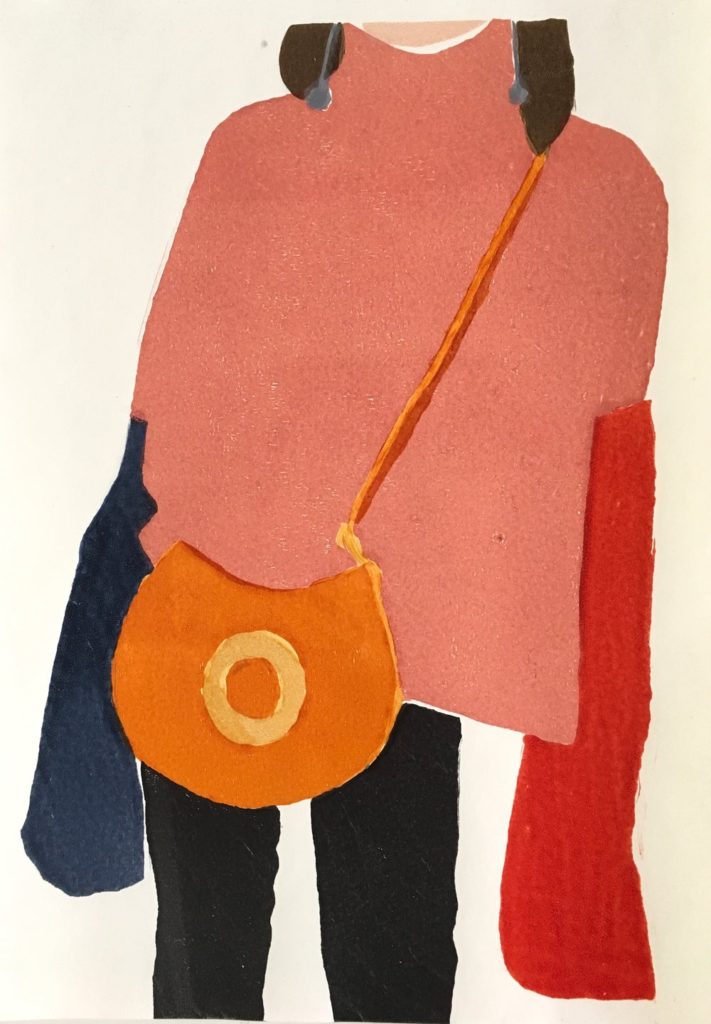
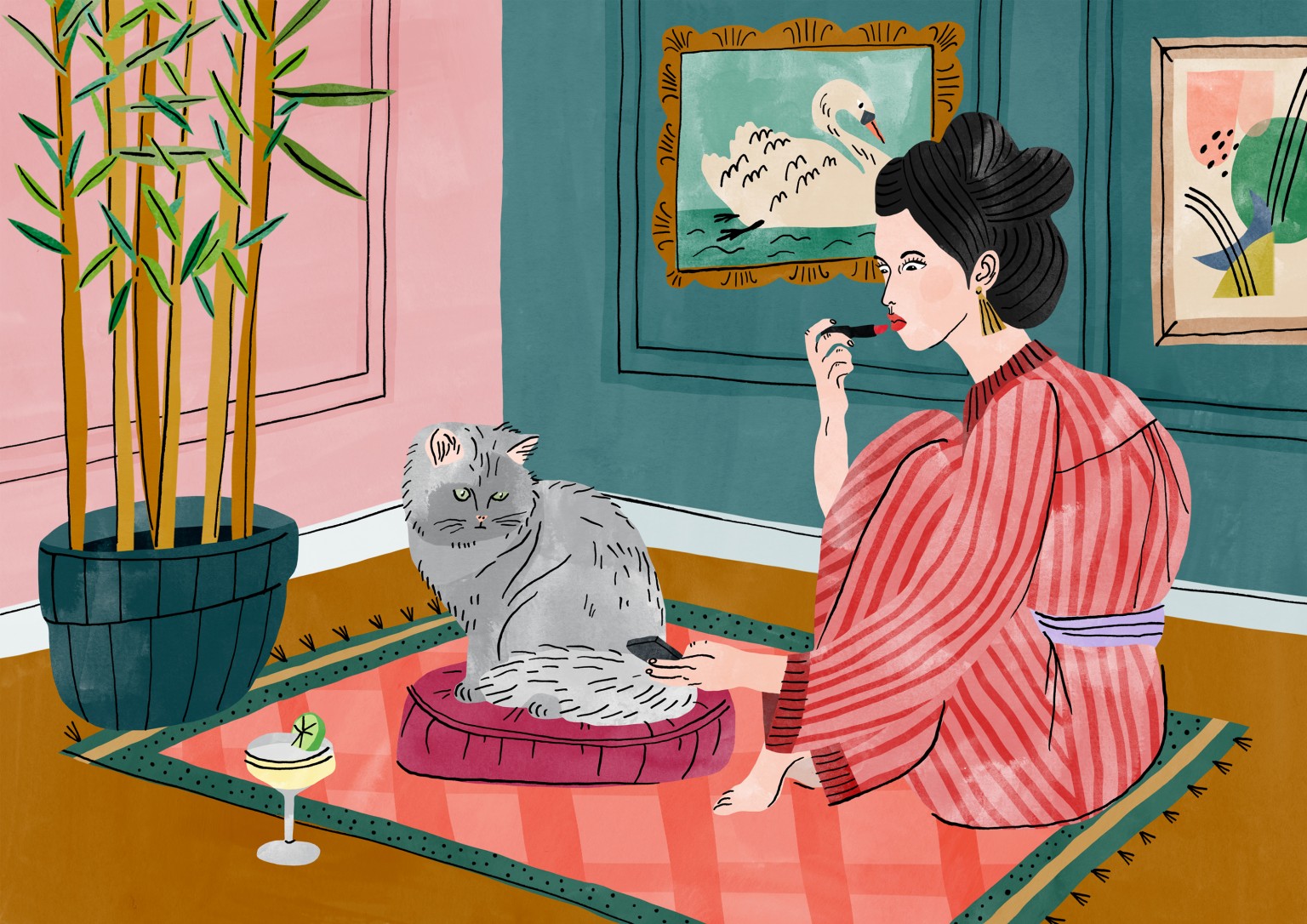
    Art by Monica Rohan


  • When You’re Asian And More Fluent In English

    Bodil-Jane-Illustration-Characters-Japan-Modern-Gaaru-2-768x543@2xEnglish was one of my favourite subjects at school as I loved writing essays and reading novels. Although there’s still many aspects where I can improve (note my use of grammar and structuring). My mother tongue is Chinese, as I grew up learning Chinese first before English. We used to go to Saturday Chinese school as children, but I was quite lazy and didn’t feel any motivation to learn it since I was speaking English at school. Perhaps it was because all my friends spoke English, and I wasn’t living in a place or going to a school that had many people speaking Chinese.

    However, now that I’m older I embrace the fact that I’m both Taiwanese and Kiwi. They are both important aspects of my identity. I realise how important it is to keep your mother tongue alive. It’s important to remind yourself what a blessing it is to speak Chinese and English. When I look back, I am incredibly grateful that my parents only spoke Mandarin to my sister and I, because language is such an important part of us. I appreciate growing up being surrounded by books and building a huge interest in reading. Now that I’m older, I put more effort into writing, reading and listening to Chinese. I used to feel a sense of guilt and shame because my Chinese wasn’t fluent but my physical identity says that I should be.

    In high school, my English teacher said that it’s okay that my essay had a few grammar mistakes, because English is my second language. The trouble was that she was more lenient with me even though I was keen to improve my writing. Most of my classmates said I’m lucky I had English as a second language as an excuse, but to me it seemed quite stereotypical, because I was more fluent in English and when other classmates made grammatical mistakes it wasn’t focused on what ethnicity they are.

    The beauty of language is that it allows us to communicate to different people. I’ve been asked many times if I’m an international student or what country I moved from to New Zealand. It’s understandable, because Auckland is quite a multicultural city and there are people from a vast majority of different countries. However, it does remind me of my identity and being asked these sort of questions many times has made me more assured of my own cultural identity. I suppose in writing this, I’d love to encourage you to embrace your mother tongue. Having that is such a precious part of you that can never be taken away from you. If you are also an Asian that is more fluent in English, know that you can improve your mother tongue through self motivation, practice and patience.

    Artwork – Modern Girl by Bodil Jane

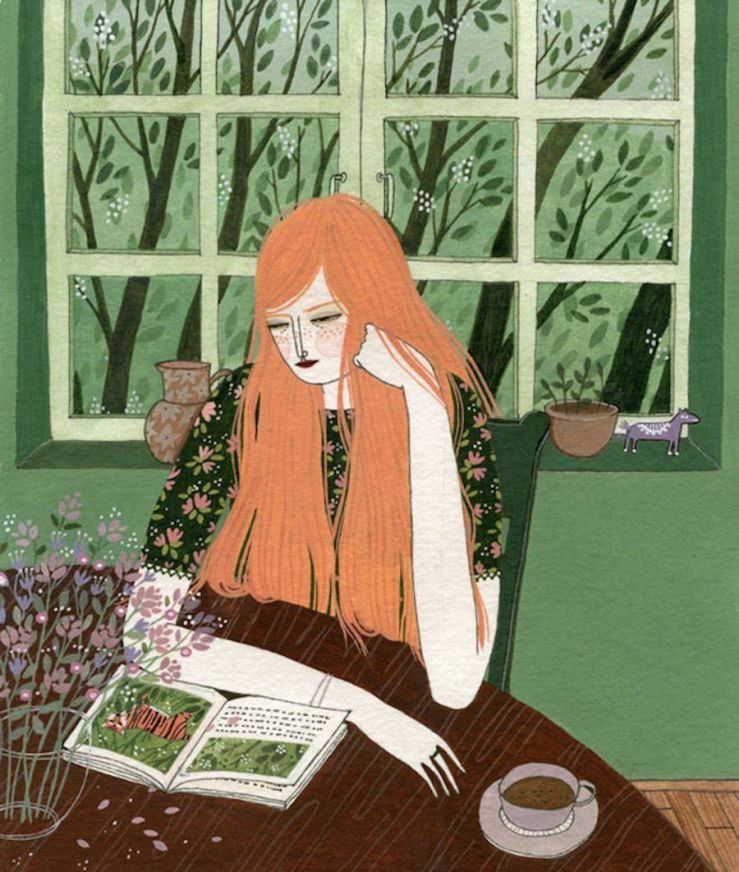
  • Why It’s Cool To Spend Time Alone

    It seems timely to write this during exam period where I feel like I seem to be spending a lot of time on my own studying. Spending time in your own company is the peace and quiet we all need. Everyone will feel comfortable with different lengths of time spent alone. I find that spending a day just alone, reading a book, writing about everything and nothing, going for long walks, cooking a meal, window shopping, sitting in the library for hours, walking at the park or listening to music can be really enjoyable. However, I’ve found it’s often praised to be busy, socialising with friends and having an active lifestyle. The truth is it really is the simple things in life that are the best.

    1) Embracing yourself completely. When I spend time alone, I feel the most completely myself. It gives one time to relax, reflect, and connect with oneself and it’s good for your mental well-being. Taking time out from the world and just being in your own space can allow one to think with more clarity and be in touch with who you are and what you value.

    2) Entertain yourself with deep thoughts. I had a strange trail of thoughts the other day of how many hours, days and weeks of our lives we spend just walking, smiling, sleeping, eating and laughing. How many trees grow in our lifetime and how many cakes were baked today. How long do we spend watching movies and how many apples do we eat in a lifetime (I’m guessing enough to fill several trees if you’re a fruit lover).

    3) Growing more self-love. Treat yourself to something, such as taking a trip to the movies, as it will make you feel more appreciation for being in your own company. It’ll make you feel comfortable laughing out loud and enjoying the time on your own. Self-love is taking care of yourself mentally and physically. Having positive self-talk is essential in maintaining a healthy way of thinking, and the energy you feel will be projected into the world.

    4) The ability to focus and concentrate. There is a level of clarity in the quiet moments with time to think deeply. I find when I’m studying, being on my own helps me to completely focus on the task that I’m working on. This depends, as some people may prefer studying in groups, but I find studying alone makes me feel less distracted and more productive.

    5) A sense of independence. If you’re used to doing many things alone, it can make you learn to be more independent. It makes you realise how much you’re capable of, and you’ll start feeling used to doing many things on your own without relying on others. You are your own company, and so it’s important to trust yourself, but don’t be afraid to ask for help when you do need it.

    6) An introvert’s key to happiness. As an introvert, I crave a certain amount of time to connect with others, however, I also value time alone. The key to happiness is being completely comfortable in your own skin, sitting alone at a cafe, walking down the street, daydreaming at the park or traveling on a plane.

    7) Time to clear the mind. If you’re out and about for most of the day, then when you come home it’s the perfect time to unwind and just clear your mind and restore your energy. I find spending time alone really helps with mental health, and allows one to feel calm and in a peaceful state of mind.

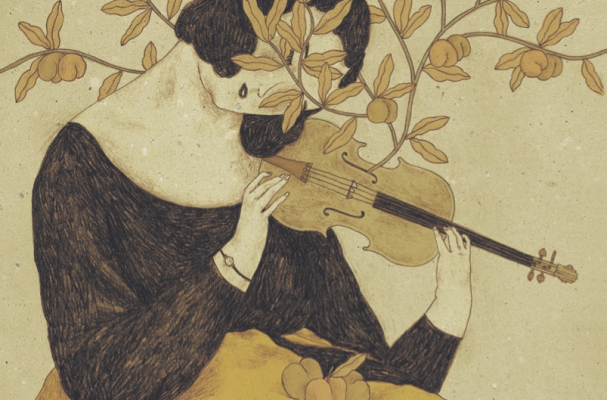
    8) It makes you more creative. When you’re alone, your creative juices will flow more. Think of when you were a child playing on your own, and creating something with your hands. If you’re a musician you will understand the feeling of practicing alone in order to really feel the music. It also makes me think of an artist or writer spending time alone in order to express their ideas.

    9) Enjoying the simple things. When you appreciate the time on your own, it’ll make certain things more enjoyable, such as commuting on a bus every day or going to the supermarket. It makes you feel a sense of presence and an awareness of your thoughts and your existence on this Earth.

    10) You are more in touch with who you are. I find that when we spend time on our own, we can really think about our own values and know who we are in a deeper way. You know yourself better than anyone else, and only you can know what makes you happy or sad and what things you like or dislike. Being alone also makes you more aware of what you care about and what you spend your time doing.

    What do you like to do when you’re spending time alone?

    Art by Monica Barengo


  • The Ability To Judge Less And Love More

    Capture

    It’s interesting to think that no one really knows what we’re like. Only a very few that are close to us will see us through our ups and downs, but no one can live the journey of another. I had a conversation with a friend recently about how people will view you the way they see you. They will create a perception and an idea of you, but not many people will truly know you. It sort of makes me think of famous people, and how incredibly judgmental people are towards them, without knowing them at all. I’m guilty of doing it too, and felt the need to write about it, because when we judge it repeats the cycle of talking about things we don’t know as if we do know.

    On a conversation with a new friend about forgiveness, we talked about how when we don’t forgive others and hold a bad feeling against them, it’s not so much hurting them, but hurting ourselves. If we let go and learn to forgive it will free us. There is difficulty in this in times where we feel something is very important to us or we don’t understand why people do things a certain way. There are many things we truly only see the surface of, and only in the times where we have peace, love and acceptance, do we catch a glimpse of seeing one another as we are. Most strangers that are unkind to others are often letting out how they are feeling within.

    Everyone has different opinions and thoughts. The thing is we seem to be more hard on ourselves more often than we are on others. At least I know this for myself. At the same time, I notice there are many people who focus on the bad things about other people, but don’t focus on self improving and changing themselves. When we fear judgment, it restricts us from doing the things we want, being the true person we are and embracing life completely.

    Nobody is perfect. Everyone makes mistakes, goes through tough times and experiences life in a different way. Remember to raise yourself up, because the more you love yourself and be kinder to yourself and know that you deserve all the happiness and joy, then you will do the same to those around you. The moment we feel down is when we put our focus on things that drain our energy. It’s difficult to not judge when we feel something is unfair, but the thing to also remember and remind ourselves is how we often only see the surface of the water. The ability to judge less and love more is the homework we should strive to do each day.

    Photography by Helena Moore

  • The Misconceptions People Have About Pigs

    0b2e1fe73c0ccbd2f2a40968d9268e38

    I grew up in the country side where we had many pets growing up. The day I met Hercules, he was a wee little black and white Kune Kune piglet. Sadly, he was the last piglet left because nobody wanted him. As soon as I saw him, I thought he was perfect. Every time he was happy, his tail would wiggle a little, and he loved getting his belly scratched. Every time he saw me, he would run right over and oink. I remember spending hours just sitting beside him watching him eat and fall asleep. We later got Shyla who I named because she was a very shy sweetheart.

    They are incredibly intelligent animals. I feel really strong about expressing this, because in society, books and the media, pigs are called stupid, filthy and disgusting and that breaks my heart because they are incredibly intelligent creatures. The word pig is often used as an insult in many languages. Pigs are one of the smartest animals in the world, and some say even more than cats and dogs. They have excellent memories, high sense of smell and are able to learn quite quickly. They’re often used to sniff for truffles because of their wonderful sense of smell.

    Pigs are affectionate and loving. If a pig is treated poorly or is protecting and defending itself or its babies, it will stand up for itself. However, similarly to raising a puppy, if you raise your piglet well then you bring out more of their sweet personality. They absolutely love getting belly scratched and sometimes if you sing them to sleep, they’ll oink slowly until they fall asleep. I remember when Hercules sensed me standing up to leave, he’d open his eyes. If you’ve ever held a piglet in your arms, you know that warm feeling. Pigs are very loving!

    13ea190b2b9dd660a21175a964300ce1 (1)

    Pigs are often seen as fat, ugly and overweight. There are pigs that are far too overweight because their owner has fed them too much. In many cases pigs are fattened up because they are going to be killed for their meat. There’s that mindset that the fatter the pig is the better the meat will be. I feel that the fatter the pig is, the crueler it is that it’s being forced to become obese. Pigs are not supposed to be overweight, just as much as your pet dog or cat should not be overweight. A healthy pig is naturally lean. I think they are beautiful animals, even though not everyone feels the same way. They may not have the elegance of a cat, but they are very humble animals.

    Pigs are very clean and hygienic. Pigs are often seen as dirty, most often because of the environment humans put them in. Imagine all those terrible factories that enclose pigs in tight spaces with their own faeces. Pigs are one of the cleanest animals I know. My old pet pigs would never make their sleeping or eating area dirty. They do love to roll in mud, because they are protecting themselves from the sun and also because it cools them down. The layer of mud can act like a sunscreen or an insect repellent from bugs. Pigs don’t have functional sweat glands and are at risk of overheating. The photo from here depicts the amount of times Hercules has tried to lie in the water bucket or tipped it over to make a mud puddle.

    fd579f05d5aafeb05efe2181f837b632

    Pigs are not smelly unless they’re in a bad environment. It saddens me that there’s a lot of negativity towards our fellow pigs. Pigs are thought of as smelly, because in many places they are kept in the same place that they sleep, eat and poo. It’s incredibly unhygienic and cruel. As I mentioned before they are very clean. However, if we put them in a bad environment, then they will be smelly. Their natural smell is quite subtle with perhaps some hay scent. It’s also the owners responsibility to keep the bedding area clean and change the hay, because the pig does prefer a clean environment. From a piglet, they are taught by their mothers where they should eat and what area is the toilet.

    Some Pigs are actually very picky eaters. Hercules would often eat the bread and apples first, and then leave the lettuce and carrots last. Pigs absolutely love fruits. Perhaps they have a sweet tooth. There’s a misconception that pigs are greedy and will eat anything and just love food in general. There are some that do have a bigger appetite than others, but I don’t think pigs are greedy. This is another huge misconception placed onto pigs. A pig eats as much as it does to feel full, but they do teach us the art of enjoying our food.

    Pigs have feelings and are sensitive animals. I know this isn’t a nice imagery to place in your head, but imagine a pig screeching because it knows it’s about to get slaughtered. If you’ve ever watched a video and heard the sound of a pig knowing it’s going to be killed, you know that they are intelligent and emotional, and they feel that fear. This is the same as when they’re happy and upset. They’ll wag their tail into a tight curl and oink noisily, and if they’re sad, you can almost feel it and see it in their eyes. Next time you see a pig, remember that they’re not dirty and smelly, but that they’re beautiful, intelligent and wonderful creatures.


  • The Unfolding Nature Of A Quiet Introvert

    03ed9522ca5ca1efbef76ec441786843

    Many of us tend to show more of our personality the more we become comfortable with a person. I find that there are only a very few handful of people that have ever seen my whole personality, and understand the extent of how odd but loving I am. Truly, I think everyone is a little strange because it’s not possible for anyone to be normal, because even being too normal is a little strange. It’s funny because there are moments I can give a somewhat cold, distant impression, and others where I am smiling, approachable and warm.

    It’s common in society that spending too much time alone, being thoughtful, being a quiet soul, being an introvert and having a calm demeanour are sometimes frowned upon. There is an expectation that a person should be outgoing, yet I believe that confidence and skill set is not equated to the volume of our voice. I do feel that to some extent, we live in a society that praises extroverts. I referenced the quote from Carl Jung, the Swiss psychiatrist who said, “The privilege of a lifetime is to become who you truly are.”

    For those who take time to open up, they do so because they feel they trust you. It can also be the person, because I find certain people can bring out bits and pieces of us. Such as, some may bring out more of our funny side or caring side. It might depend on the nature of the topic, and the conversations we engage in. I find when I get engaged in conversation of interest, I unfold more and more. Many introverts may also be thinkers, and take a pause here and there to think before they speak. Expressing oneself is often easier through art, music, writing, than it is to say the words plainly out loud. Not all the time our spoken words may fully express how we feel inside.

    There are hidden layers that are slowly and gradually revealed, when it’s with the right person. For example, there are only a few people in my life who can bring out my ridiculously talkative and crazy side, because I’m willing and comfortable to let them see it. Most of the time, when I interact with people I don’t feel a connection or am not close with, there isn’t a desire to share too much. I was reading the article The Thing About Introverts That Most Extroverts Can’t Understand here, and it explains my first paragraph well.  Michaela writes:

    “When I am with strangers, I generally behave in one of two ways:

    1) If I have the energy, I am friendly, animated and engaging.

    2) If I am feeling overwhelmed, drained or out of my element, I am more quiet and reserved

    The people who meet me in scenario #1 assume that I am an extrovert, and don’t know how to react when my introverted tendencies emerge. Those who meet me in scenario #2 believe that I am shy or “have no personality”. They can’t imagine that I am confident, silly, and quite bold with the people I hold dearest. The bottom line is that most extroverts simply don’t understand that introverts behave differently in public than they do with the people they love and trust the most.”

    It’s natural for many introverts to show more of their personality when they feel someone is a true friend. They want to invite the people who accept them for who they are into their life. There are those who prefer to have a few close friends, than be socialising in groups. There is this craving for deep connections and minimising energy spent on interactions that don’t go anywhere. Introverts have a lot to say, but they are particular about who they choose to say what to. Something I’m trying to improve on is small talk, even if it’s not the most interesting, it’s a good level of unfolding with a stranger, without having to commit to sharing too much.

    One on one interactions are a great way to understand people, and put all my focus in getting to know someone. I also find people are more themselves when they’re alone talking to me, compared to when they’re with a group of people. However, in group situations, most of the time I tend to be the listener. Unfolding takes time, and in different environments we will unfold different things. Such as in the work place, many introverts are talented, but it may take them a little more time to open up. I find it’s easier if I’m drawn or have an instant connection with someone. In our personal lives or at school, it might be a particular person that we gradually open up to.

    Eva Green in the Violet Book Fall Issue 2016

  • Don’t Let Fear Stop You From Your Dreams

    486f7e926b2270b84179c3bb3b1e9c24

    This is one of the most important reminders in life that we need. Getting outside of your comfort zone is important, because for a very long time I allowed my anxiety to take over my daily life. Most fear is built up in our imagination. Once we conquer our fear, it never is as scary as you thought it would be. Playing it safe can limit us. Sometimes taking risks, challenging ourselves and breaking our safety barrier can make us stronger and wiser. Fear of Failure stops us from taking the first step. When we fear failure, we have already set ourselves up for failure in our mind. It means that we don’t give ourselves the chance to try.

    Many goals and successes that someone reaches, has conquered many failures. I remember watching the ballet, The Nutcracker. The ballerinas make every move look graceful and effortless, yet it took a lot of hard work, time, energy and passion. Through all of that, they have faced their own failures. It took moments where there may have been many bad practice days or rejections from auditions, but there they were on the stage now, because they had a dream and worked hard for it. Fear tells us to not try and it tells us we’re not worth it. It stops us from enjoying life and being happy in the moment.

    In order to achieve our goals, we must start with the first step. Our mind is so powerful because every thought we feed it affects the actions we’ll take. If we tell ourselves we can, then we’ll make that action to do it, and that’s when we set the path in the direction we build for ourselves. Everyone is on a different journey, and we all want to achieve different things in our life. Life is unpredictable, but having dreams is what makes it worthwhile. I saw the quote the other day, that we aren’t here to pay the bills and die. It’s absolutely true!

    Life has far more meaning, and dreams are within all of us. We often want to wait for the right moment when we feel ready, but often that moment won’t really come. Most things in life start when we take the first step, just the way we learn to take the first step as a baby. We might have fallen over, but we have to keep trying until we learn to walk, and now it’s something we don’t even think about, we just do. In that moment we might have been hesitant, but when you pass that feeling of your comfort zone, there is so much you realise you have the ability to achieve. It all starts with taking the first step.

    Art by Naomi Wilkinson

Previous Page Next Page
 

Loading Comments...
 

    • Subscribe Subscribed
      • Tien-Jen
      • Join 2,541 other subscribers
      • Already have a WordPress.com account? Log in now.
      • Tien-Jen
      • Subscribe Subscribed
      • Sign up
      • Log in
      • Report this content
      • View site in Reader
      • Manage subscriptions
      • Collapse this bar