Tien-Jen

  • About
  • Blog
  • Books
  • Culture
  • Daily Thoughts
  • Fashion
  • Personal
  • Contact
  • Portfolio
  • What Did We Do When There Was No Internet?

    When I think back to my childhood, I’m grateful for a time when technology hadn’t been as nearly prevalent in our lives. We weren’t surrounded by a screen for a significant amount of the day, and we cherished the moments of going to the cinema to watch a film or played outside in the grass. Children didn’t have any phones in their hands, and there were more eye contact and in-person interaction. We’d hop on over to the neighbour’s house, bounce on the trampolines to play and walk to the beach together. If the internet disappeared tomorrow, what would happen?

    There were always shelves of books at home, and almost every weekend we would stop at the local library to borrow books. If I wasn’t practising my flute or piano, playing with the animals or walking around the farm, I’d be reading a book, drawing a picture or playing with my toys. The difference now is that children grow up playing games on a screen, interacting with one another through online and are growing up learning through technology. I felt that we still experienced that feeling in a classroom with only a pen and paper, writing our essays by hand.

    Til this day, even at university, I prefer writing with a pen to paper. There are certain things that are still preferred without the internet, such as reading a book or a magazine. There’s nothing quite like having the physical element of a book and being able to flip through each page. Before technology became what it is, life seemed far more innocent and thinking back, we spent a lot of time outdoors running around, and more time talking to strangers. The lack of technology meant there was no form of escapism, and so everyone would talk to one another.

    When there were moments that you wanted to escape, you’d draw or read a book in class. I’m sure children now have just as many hobbies, however, I can’t help feel that back then the lack of screens meant that we spent more time exploring with our imagination, and trying new things. We’d spend time going to drawing classes, going to ballet classes, learning new instruments, learning new languages and spending our time experimenting what we like and don’t like, and finding our own unique ways to entertain ourselves and use our time.

    In many ways, it was far more polite back then, because if you think about it, anyone who uses their phone constantly when they’re with other people, are not really present there with them. Creativity meant writing little stories, going outside to explore nature and always craving a sense of learning. It meant researching and getting books out to do your projects. I still remember listening to Beethovens Tape to sleep, and the fact that there is barely anyone who still listens to the tape, even though it was only over 10 years ago.

    Simplicity and interactivity would be the two things that I think of, that have changed in a drastic way. The way we interact with people has changed immensely, and the simplicity of life has become noisier with the chaotic nature of the online world. In anything, there requires a balance, as too much excess of anything makes it a negative. This means Social Media, the internet and the online digital world can have their positives, but it’s all a matter of balance. We live in a time where things are changing at a rapid rate.

    We live in a time where businesses rely heavily on having the internet, students need the internet in order to do research and individuals have the internet to stay connected to news, entertainment and socialising. Meeting people (whether friends or dating) were done in person, sending an email meant sitting down to write a letter and going to the post office to send it and calling a friend meant sitting on a chair where the phone had a wire on it. There was a sense of greater patience we had because the internet is so greatly convenient and fast. I still remember rather than spending 2 hours online, we’d spend 2 hours playing with the cat or going out to slide down the hills on cardboard boxes.

    There was a sense of innocence. There was a sense of still not knowing many things, but now with the internet children can know things from such a young age. Remembering life before the internet was a part of our lives reminds us of how much has changed. It reminds us to stay true to our own core values in a trending world. It meant meeting someone in person, before knowing what they looked like from a photo or their profile. It meant playing games together, rather than sitting in a circle looking down at a screen. I miss those elements of simplicity and not knowing everything, but each period of time is a different stage in history, and this is just one of them.

    Audrey Hepburn in My Fair Lady (1964)

  • You Decide Your Attitude Regardless Of The Situation

    0-cat-black.jpg

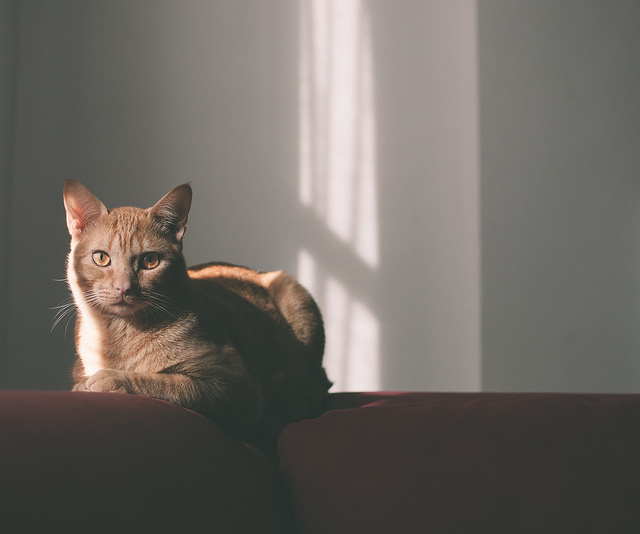
    This is one of the most important lessons in life. Your attitude determines your choices and how you feel about a situation, and what you want to learn from it. The mind is everything. What you think, you become. We have a choice in what we want to focus on and how to deal with past hurt or tricky situations.  Everyone goes through bad times, and it’ll vary in different degrees, which is why no one should ever judge or compare others for what they’ve been through. If your mindset is always on past hurt then the storm in the past will always rain on you.

    If someone seems like they have everything, none of that ever matters. It’s really the things we feel inside that determine how we live our lives. We all have a choice how to deal with situations and attitudes. If I feel annoyed, angry or upset at a situation, can’t I turn it around? If someone says something unkind to me or if I had to deal with a difficult client, I have the choice to choose how to react. That’s the power of how we think and what we do. It’s a lesson that lasts a lifetime but helps us grow wiser and learn from experience.

    It’s normal to get upset from time to time (no one can possibly be happy all the time!), but those are moments we need to accept and grow from. I heard a story about a person who broke up with their girlfriend after she realised they would be in a long distance. After this incidence, he became despaired and lost his job over the year and didn’t know what to do with his life. This is just a simple example in that we have a choice in moving on and becoming a better person, or reliving the past and becoming more bitter about what’s been and gone. 6-cat-orange.jpg

    A good attitude can be contagious, and make those around us feel better. I read an article here The truth is, while you’re busy worrying about what others think of you, they’re busy worrying about what you think of them. And on the other hand, most people are likely thinking about things like what they’re cooking for dinner! Most people are more aware of what’s going on in their own lives, which is a good reason for not giving a fudge about what other people think. Caring what other’s think prevents us from feeling true happiness and freedom.

    There are people who seem like they have everything, but perhaps when a disaster strikes, they instantly feel that it’s the end of the world. Whereas maybe those who have been through tough times or worked hard to be where they are and have struggled through many failures face the same situation, they may have a more calm attitude towards the situation. Of course, it’s a general example, because vice versa could be possible, it depends on the individual as well.

    It’s important to also detach yourself from other’s problems in their lives. We must also go through our own failures, and decide how we can turn that experience into a positive because everyone will go through failure. We will all face rejection and disappointment, but it’s how we use those moments to make us more persistent and resilient that can make us stronger. Attitude is everything. No matter what situation you face, it’s ultimately your attitude that determines how you’ll feel. Live each day with gratitude, and know that one of biggest superpowers is your ability to choose!

    Photography by Mg Frontera

  • When Do You Feel The Most Like Yourself?

    ca522f9ecf118773ecf873d5067a33f6.jpg

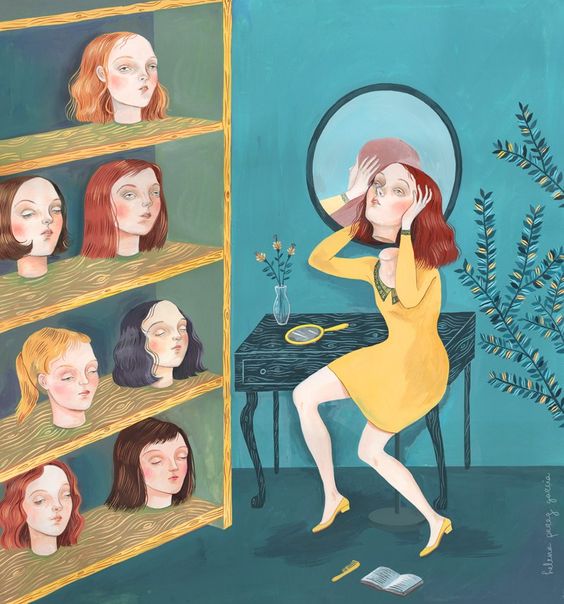
    This is such a powerful drawing, the way it expresses so many different messages. When I look at it, it gives me a sense of disguise, pretending to be someone else, changing our appearances, thinking in different ways, seeing things from different minds (and perspectives), the different sides of our personality, feeling disconnected from our mind and our body or being slightly (or a lot) different when we’re with certain people. One of the most important advice that’s always stuck with me is to be yourself.

    At the same time, I definitely feel I am someone that hides parts of my personality with certain people, even when I’m being myself. I’m sure most people will be able to relate to this, as we don’t tend to reveal all of ourselves to just anybody. The people I feel most myself with would definitely be my family and very close friends. For example, when I was living at home, I’d sing and dance around the house without a care in the world. I was as silly as I am, or as talkative, quiet and strange as can be. When I interact with people I don’t know well, that part of me is not shown.

    The moments I feel completely myself is when I sit alone, write in my diary, go for a long walk, talk with a loved one or read a book. It’s when I stare out the window doing nothing, drink quietly at a cafe, cook a meal, stare at flowers, be my silly self, sitting in the library, spy on a little sparrow, laugh with friends or have a meaningful conversation with someone. Feeling myself is when I simply talk the way I do, walk the way I walk, laugh however quiet or loud, see the world around me and remember all the things I’m grateful for. It’s moments when I speak my mind, stand up for myself and stay true to my values.

    Perhaps you might feel the most yourself when you do something you love. It might be playing an instrument, playing a sport, being creative through drawing, dancing or sewing, teaching or watching a movie. It might be when you’re wearing something that you feel reflects who you are, or when you listen to a song. When I feel the most myself is when I feel comfortable, peaceful and confident. It’s when I am completely at ease and happy with who I am. It’s that feeling of not giving a fudge brownie about what anyone thinks.

    We might feel most ourselves when listening to the sound of the waves going in and out, breathing in the morning fresh crisp air and walking in the rain with the sound of tapping against the umbrella. It’s natural to some extent to feel more yourself with certain people, but it’s unnatural to pretend, act another character or conform in order to fit in. There are certain people that bring out our silly, talkative, weird, strange, caring, random, quiet, loud, wise, funny and creative sides. So tell me, when do you feel the most yourself?

    Art by Helena Perez Garcia

  • How To Improve Your Chinese Language Skills

    7c71991f-36da-44d0-b63f-ff3239bb87cc.png

    Chinese is one of the most beautiful languages in the world. When you see the words themselves, each of them are like a picture. It is the most spoken language in the world by more than 1 billion people. I remember my Grandmother explaining to my sister and I the way each Chinese character are like a picture of the object. 火 means fire, 人 means person and 山 means mountain. If you look at them, they appear very much like the character itself. According to the NZ Chinese Language Week Trust, Chinese will be the third most common language spoken in New Zealand.

    In order to improve a language, we must consistently speak it and expose ourselves to it. If you don’t speak the language with your family, it’s a good idea to find opportunities to speak it with someone. Try speaking it with a friend, language partner, on the phone or attending a Chinese event. The more you speak, the more you remember. A great app to add on your phone is Pleco. It’s a wonderful dictionary that’s easy to use. Try reading a small section of a book, text or magazine article and translate the words you don’t know by using Pleco (or your own dictionary).

    Writing words down can also help you to remember what they look like. Learning and expanding your vocabulary is ultimately one of the ways to improve your skills. Listening is what we’re first exposed to when we’re a baby. We listen to the way our parents talk, and we imitate the words they speak. You can listen to Chinese music, watch a movie that speaks Mandarin, listen to a podcast or watch a Youtuber who speaks Chinese. Finding what works for you is important. Some may find certain Chinese language apps better than others. Some may work better by following a text book, taking lessons in class, having a private tutor or using an e-book.

    Growing confidence in your skills is a wonderful thing. Improving is extremely rewarding. As something beneficial as Chinese, it can be encouraging to know that you will definitely be applying the language in many places. It’s a language that has a long history behind it. It is one of the oldest written language in the world. If you grew up reading Chinese Cinderella by Adeline Yen Mah (I highly recommend the book!), she mentions: Chinese is a pictorial language, not a phonetic one. Our words come from images. The meaning of many characters is subtle and profound. Other words are poetic and even philosophical.

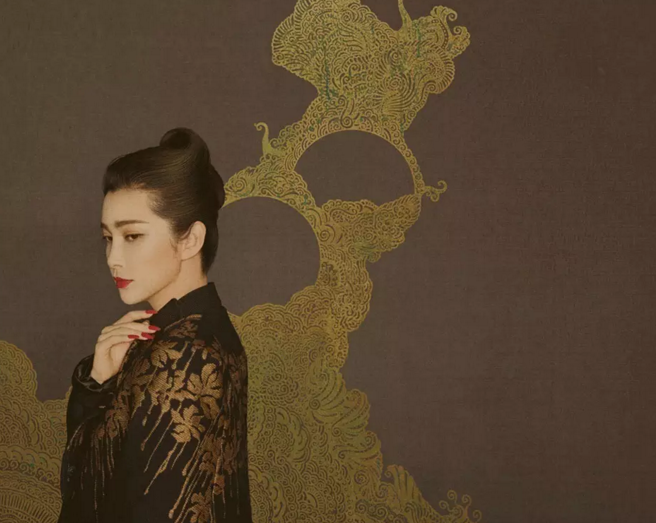
    Photography of Ling BingBing by Sun Jun

  • The Ocean Of Blank Faces Walking In The City

    ]

    When we walk in the centre of the city, we’re surrounded by strangers and unfamiliar faces. Everyone’s walking towards somewhere for some reason. Sometimes I wonder in my mind, what’s happening in their lives. Amidst all the blank and neutral faces, I can’t always really tell. There’s this distant, emotionless and otherworldly expression. Then there are several people who might be using their phone, heads down and you have a game of dodging them. From the sea of crowds, there might be a sudden smile that forms or a laugh you hear in the distance.

    On a grey day, the streets are silent, until a group of friends, family or travelers have a conversation nearby. You might hear a busker singing or the sound of rain dancing on the umbrellas. If you stare into a cafe, you might catch someone engaged in a conversation, a murmur of chatter, studying on their laptop or staring out the window. Walking is such an important part of our daily life that is often overlooked. It’s often seen as mundane and simply a means of getting us from point A to point B. Walking immerses us into the present and allows our thoughts to flow.

    Walking on the streets means observing, daydreaming, wondering, people watching, thinking and sensing. The way we move and walk says a lot about who we are. Although, sometimes expressions can be deceiving. For example if your expression is serious, it can make one seem unapproachable. It can also be inaccurate, because many of us may have been asked if we’re okay, even on our best days. What is it about city life, that causes us to be so distant. From growing up in the countryside, it was natural to smile and say Good morning to a stranger. It was normal to see people you know, each time you head into town.

    When we’re in a place with a larger population, many people keep to themselves. It’s also a sense of security, safety, time and focus. Some people are in a rush, some people are focused, some are talking on the phone and others are deep in thought (or daydreaming). There are moments when observing where I feel some people are more present than others. It’s a wonderful thing when you suddenly see a smile form and the crinkles around someones eyes, that makes one realise how much a smile creates light. Blank faces can often make our eyes appear empty.

    It’s incredible to think how many people we walk past in a lifetime, knowing that we’ll never see them again or talk to them. We might see their faces in our subconscious when we dream, but there’s this gentle nudge that you’re not alone on this Earth. Everyone has a purpose. Then there’s  a lovely thought of how many times we may have subtly walked past or even encountered someone for weeks, months and years, that we later became friends with. Every person we have ever gotten to know, was once a stranger to us. They were once just a blank face in the sea of crowds.

    That’s why it’s important to not judge a book by a cover. We can never really tell the content of someones character, until we truly take the time to get to know them. One way walking can be beneficial, is that it helps us for a moment to focus on the world, rather than ourselves. It reminds us to look around and take a breath of air. Thinking about the idea of blank faces, it makes me think of a white canvas. An artist can create something magical and colourful that brings so much emotion. In a way, we’re the artist in our lives, painting the strokes and textures, choosing what colours to paint with. The ocean of blank faces may seem unreadable, yet each face has such a unique and interesting story to tell.

    image via

  • What It Means To Be Quietly Confident

    tumblr_ncrzsvHAz41qbilh4o2_1280.jpg

    There’s a misconception that confidence means being an extrovert, being loud, openly expressive and outgoing. There is this image of someone who is likable, energetic and gets a long with everyone. However, confidence means having faith in yourself or someone else. It’s the state of feeling certain about the truth of something. There is this idea that only extroverts can be truly confident, yet there are many misconceptions about introverts that can cause this thought. Confidence is something you create within yourself, it’s not something you’re born with.

    I found this answer from Quora, and appreciate it so much. As an introvert, I’ve grown up being told (even til today), that I need to be more confident. As someone who is comfortable in their own skin, there’s often a mistake of equating confidence with being loud. The words “Nothing is ever as it seems, especially when it comes to people,” that she wrote is extremely true. We can never truly judge a book by its cover, especially when we only see the external parts of people. I may be a more soft spoken person, but I feel confident in being myself.

    Confidence isn’t about being noticed. True confidence is believing in your abilities as an individual. It means staying strong to your values. Being quietly confident means you aren’t afraid to speak up for what you believe in. It means being able to differentiate constructive criticism and judgment, and which ones to take on and which to let go. It means you know that you will make mistakes, but you will keep trying. A person who is quietly confident, doesn’t feel the need to validate themselves to others. They don’t feel the need to tell everyone about their achievements, and they’re not afraid to tell other people about their failures.

    Very often quiet people are underestimated and overlooked, with no acknowledgement of their achievements. They don’t tend to tell many people, and may come off as unsocial and may seem distant at times. The thing is when someone is quiet, it doesn’t mean they are less confident. Confidence is very much an internal feeling of self assurance. There are quiet people who may love conversing with others, and there may be those who are more loud who need time to spend with themselves. Everyone is different. We all express ourselves in different ways.

    It’s easy to create an idea of what an individual may be like with labels such as introvert, shy or quiet, but I find that narrows down the ability to truly get to know someone. Some people take more time to open up than others. I’ve been told by people to be more loud. A part of me wants to say that my personality doesn’t mean I can’t be confident, it simply means I show it in a different way. There are many extroverts labeled as confident, but confidence isn’t based on a personality type.

    As an individual, I’m not afraid to ask questions, and this is something I feel quietly confident with. Many quiet people are highly observant and analytical. They know how to determine a situation, and some people are able to read what others may be feeling. They tend to think before they speak. Those who speak the most or talk the loudest, doesn’t mean they always have the most substantial things to say. Our personality doesn’t determine our intelligence or our abilities.

    I consider myself quite a talkative person, when I’m having a engaging conversation that interests me or makes me thoughtful. I feel a quiet confidence, because I don’t feel the need to alter myself to a loud person in order to be similar to how others may express confidence. When we don’t say anything, it doesn’t mean that we don’t know, we’re clueless or we’re not interested. It may mean we’re thinking deeply or listening carefully. There are certain things that don’t always need to be said out loud.

    There is this common thought, that those who are loud are strong, and those who are quiet are weak. These are all from the way things look, rather than what they are. It’s the way it appears, but not often what it may be. There are many quiet people who have achieved great things in the world. They have a sense of self acceptance. We should embrace our strengths and qualities of ourselves, the way we wouldn’t change the accent we have, we shouldn’t need to change our personality to please others.

    What I feel is that those who lack self confidence, are those who feel the need to fill the silence every second. They are uncomfortable in sitting in silence. Then it doesn’t feel raw and real, because there is this discomfort that they may feel in feeling quiet in the presence of others. Confidence means embracing yourself and being sure of your decisions. It’s not something that can be worn, but an attitude of being comfortable in who you are as a person. It means not being afraid to make mistakes and learning from them and being true to yourself.

    image via

  • What Do We Leave To The Imagination?

    tumblr_o82npxohn61qz6f9yo3_1280

    A beautiful quote from Rei Kawakubo “For something to be beautiful, it doesn’t have to be pretty”. The words are golden because we all have our own perception of what is beautiful, yet somehow when I reflect on what we leave to the imagination as a society, the answer is not much. When we think of it as individuals, we have the ability of how much we reveal of ourselves. To leave something to the imagination means to not show or describe all of the parts or details of something. Have you ever read a book, then watched the movie and felt as if the book were better? It’s common in these cases, because our imaginations can create a world that seems even more alive and vibrant in our own mind.

    Leaving something to the imagination, is not also in relation to what we wear, but in every aspect of our lives. There are often things that are better to be unsaid, happy memories that don’t need to be captured or enjoyable experiences that can be kept to ourselves. However, I strongly believe there is an importance in modesty, in who we are, what we value and how we present ourselves. In an article here by Gabriella, she says “Somehow, somewhere, sexy became equated with showing everything. Ladies know that sexy means leaving a little something to the imagination. Don’t get me wrong, a tiny dress has its time and place. It’s how you mix it up that makes the difference.”

    This was an important quote to touch on, because there’s nothing wrong with wearing a short dress, but it’s how we present ourselves that makes the difference. In a sense it shows how much we have self respect for ourself. An article at Elite Daily, talks about why we should all start leaving a little more to the imagination. I find this such an important topic, in a generation where we are known for over sharing, capturing images and having an excess amount of information with easy access to. Privacy is now a value, because so much of it doesn’t exist the way it used to, when everything is online.

    There are many things that are kept to ourselves, whether that’s our thoughts, goals, dreams and achievements, because they give us a sense of quiet, peace and focus in our own lives. As much as it’s great to share with others, sometimes certain things are better left to the imagination. It creates a sense of excitement, mystery and makes life much more interesting! As it mentions in the article: “Not everyone needs to know all our intimate thoughts, desires, wants and wishes. (They don’t even need to know our mundane day-to-days.) … Just because other people may be open books, doesn’t mean we need to bend our covers, too, and lay every single line bare… If we tell everyone everything, there is nothing left to discover.”

    Quiet is often a value that’s under looked, because it’s not valued the way it should be. It’s often in the silences that we can learn more about someone. It’s often the conversations filled with meaning that give us true satisfaction. When we think of the imagination, it emcompasses everything. Not only the visual, but the ideas and thoughts. It’s like the way we judge a book by a cover, but discover what a beautiful book it is. Or the way we slowly get to know someone over time, and they become more attractive or less attractive. As the well known quote by Eleanor Roosevelt says Great minds discuss ideas; average minds discuss events; small minds discuss people.

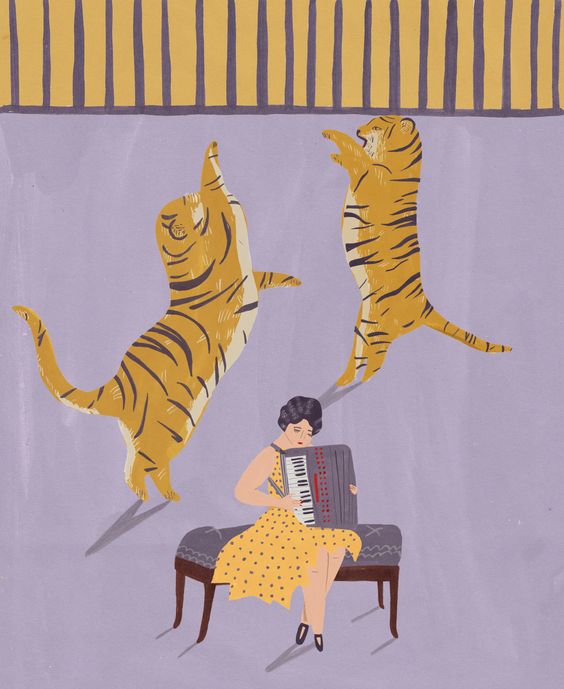
    Art by Yelena Bryksenkova

  • The Common Misconceptions Of Being Soft Spoken

    155077012-ohta-women-image-01.jpg

    When I think of soft spoken people, I think of Audrey Hepburn, Katie Holmes and Winona Ryder. The thing with the way we speak is that we don’t really hear ourselves. It’s similar in the sense that we don’t hear our own accent. When I speak, I can’t hear how soft or quiet my voice is, because it’s normal for me. However, I’ve found over the years, there are certain misconceptions and stereotypes made about people who are soft spoken.

    I was painfully shy when I was a child at school, even though at home I was very talkative and unafraid of being completely myself. As I grew older, I was much more confident, but I always had a softer voice. Having a soft voice doesn’t mean you can’t be direct, confident and self assured. It simply means that we show those qualities in different ways. I’ve listed below some of the misconceptions where some come from my own personal experience.

    Soft spoken people are always quiet. I remember answering a question in class, and the teacher told me to shout the answer, because it would be like a normal speaking voice. I naturally have a gentle voice. I know personally I am more of a quiet person, however I have moments where I’m extremely talkative.

    They are a sensitive person. Sensitivity is stigmatised and often seen as a negative, however it shouldn’t be that way. Sensitivity is natural. Some soft spoken people (like me) are indeed more sensitive, and some aren’t. It depends entirely on someones own personality.

    Easily influenced, bossed around and manipulated. There is a huge misconception that we can’t be assertive. Soft spoken express confidence in different ways, without the need to be loud. Too often loud is equated with power and confidence. I know for myself, I don’t allow anyone to treat me unfairly.

    They aren’t able to speak up for themselves. Similar to the previous point, most people are able to stand up for themselves. It doesn’t always mean we have to get angry about it, but we just express it differently. I know that if someone crosses my line, I will be very direct. But I also know, I tend to hold certain things inside that aren’t necessary to express, if they won’t change the situation.

    Gullible and easy to believe anything. This stereotype definitely comes from how we just naturally want to be nice and polite. I know that when I was at school, I was definitely gullible in the sense that I was too trusting, and tried to see the good in everyone. Unfortunately not everyone is an honest person.

    We are always extremely polite. I can’t count the amount of compliments, when people say “you’re such a nice person”. I still remember when I was very assertive with someone, they got a shock, because of the contrast of me being a soft person. It can be off putting for some people as people expect you to always be polite and nice.

    They can’t take on leadership roles. In this point, I want to state that soft spoken people can be an introvert or extrovert. There are many introverts who were soft spoken, who did great things and made great changes. I think of Rosa Parks who was a civil rights activist, stood up in a bus refusing to give her seat up to a white passenger.

    Soft spoken people are shy and quiet. I do consider myself more of a quiet and low key person, and I definitely am shy in certain situations, but not all the time. There is a connection that being soft means you must be quiet, shy, socially awkward and a long list of stereotypes. However, everyone is different, some people are and some people aren’t.

    We rarely get angry. Over the years, there have been countless times someone says “I really can’t imagine you angry”. The thing is everyone is an emotional being, and we all cry and laugh, however each person expresses their emotions in different ways.

    We prefer to listen rather than talk. Being soft spoken doesn’t mean we aren’t interested to chat or be noticed in a conversation. Everyone’s views are usually shared, and I know that many soft spoken people are naturally listeners, but many also love to talk!

    Being soft spoken means you’re soft. This is the most natural association, considering the word soft is in soft spoken. Some soft spoken people tend to be more gentle and quiet, there are many soft spoken people who are very outgoing and energetic. Being soft spoken doesn’t deliberately mean you are in a certain category, it simply means that that is the sound of your voice. Your voice is important, but it doesn’t define your personality.

    image via

  • The Fine Art Of Not Giving A Fudge

    eva.jpg

    When we care less about certain voices in our minds or the words of others, we become more happy and free. We let go of negative judgment from those we aren’t close to, and we feel unaffected by criticism that has no value to our self growth. It means wearing what you want, saying what you need to and being the person you truly are. The art of not giving a fudge, means that you know that people will judge no matter what you do. Which is why you know the importance of being true to yourself, because no matter what, we cannot live our lives to please others.

    The fact of the matter is that many of us do care to different degrees what someone may think of us. These will be a range of aspects, which may be the way we look, move, talk, wear and the list goes on. Some people will care less and some will care more. I find that as you grow older, you start to care less and less. For many people, they feel more grounded in who they are, and embrace themselves as a person. An example in the past, would be how I would be conscious of how I’m a much more soft spoken person. However, over the years it’s something I really embrace about myself. It’s part of who I am.

    The beauty of not giving a fudge is the comfort you feel in your skin, and the self love you give yourself. Picture a person walking a long the street in stylish clothes, and completely pulling it off effortlessly. They walk with complete confidence, and an air of not giving a thought or care of any judgment from the passerby’s. You can feel how comfortable they are. Then imagine someone who looks uncomfortable in what they’re wearing. It’s not always a visual aspect, but the way we communicate, act, move and talk can express a lot in terms of who we are as a person.

    It means that you don’t give too much time wondering if people like you. The thing about being yourself, is that you are less likely to spend time wondering what other people think. It means that you accept yourself for who you are, and you make peace when you hear negative judgment from others. You have an open mind, and can differentiate between what words should be absorbed and what should just go from one ear and out the other. It means making your own decisions in life, without feeling the need to conform to popular opinion or have validation from others.

    When people judge, it’s none of our business, because it’s very often a reflection of who they are as a person. It’s a reflection of how they are feeling inside. There’s a huge difference between constructive criticism and blatant judgment. The truth is people don’t think about others as much as you may think, because they are likely thinking of themselves. We are our own biggest critic. Most people are preoccupied with their own lives. The destruction happens when we compare our lives to other people. Instead, there’s an importance in appreciating and understanding that everyone has different jobs, career, relationships, hobbies and path in life.

    If you like to wear certain clothing, do your makeup a certain way, have a quirky sense of humour, laugh a certain way, like to dance in public or talk about topics that interest you, embrace that. That’s what makes you you. Give yourself that benefit of being the person you were born to be, rather than molding into what society expects. The truth is that we can’t be best friends with everyone. Self respect means that you stick with your own values and are not easily swayed by what others say. You stand up for what you believe in. That’s when you can feel fulfilled in life.

    I find that going more and more out of your comfort zone, means you create more experiences. You explore and discover more of the things you love. You surround yourself with people who you truly connect with. You don’t waste time on thoughts about others, but focus on self improvement and enjoyment in your own life. More often, we care more about what our loved ones think, because we value their opinions and advice. In this case, it’s different compared to what a stranger may say. We have a choice in what we give care and time to. No matter what, no one knows your journey. Be comfortable with being different, no one should try to be same as one another.

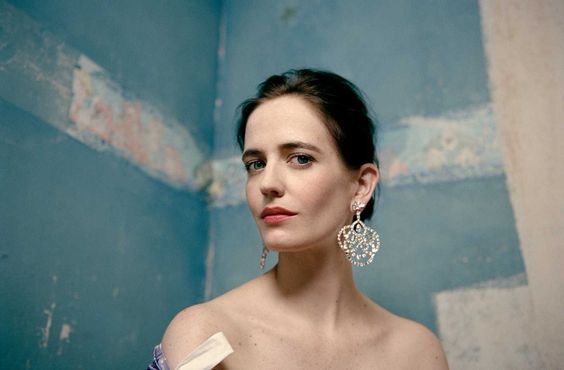
    Eva Green in The Dreamers (2004)

  • The Beauty Of Walking Long Distances

    I recently finished reading a book called A Philosophy of Walking by Frédéric Gros. It was such a beautiful read. It was a peaceful feeling walking to the rose gardens the other day, knowing I’d read a book about walking! If you have ever read Jane Austen’s Pride and Prejudice or watched Keira Knightley in the film adaptation, then you may appreciate Elizabeth Bennet’s love of walking. There’s such a sense of pure satisfaction of soaking in the morning sunlight, cool air and nature around oneself. The feeling of being another stranger in the crowd, going on an adventure or getting lost and discovering a new place.

    The beauty of growing up in the country side is that walking is a daily joy. Your senses thank you for the breath of fresh air, birds singing, rolling green hills and the feeling of gravel and grass under your soles. If there are any places within walking distance of half an hour in the city, I prefer to walk instead of taking the bus or train. I was walking in the art gallery the other day, and it was one of the most therapeutic and simple things that brought so much enjoyment. The feeling of being surrounded by nature, art and books is some of the little joys in life.

    Have you ever noticed if you’ve ever had a terrible day, walking seems to allow your mind to think with more clarity or just let the stress lessen even just a little? In that moment, you don’t feel completely stuck in your mind enclosed in your room, but the world around you reminds you that you’re not completely alone. Walking is good for your body, soul and your existence. It gives a sense of purpose, meaning and peace in ones life. The simple act of moving one foot in front of the other, sets our mind free. It opens us to see the world. Many writers venture out into the world to experience, before being fully absorbed into writing parts of a novel.

    There is time for reflections, thoughts, ideas and imagination to run wild. Walking relieves the heavy weight of anxiety or emotional pain. Gros talks about how there are those who walk for a short period of time during the day as a boost, while others walk for hours and hours. The feeling of walking to a destination, such as the library, art gallery or park always fills me with a sense of small purpose. It may sound unimportant to another, but as I set out on the journey to the place, it makes me feel rewarded once I arrive. When we walk, we are just another being walking on this Earth. It’s a gentle reminder of the importance of solitude.

    I remember as a child, walking was like play in the way that you’d feel excited when you arrive somewhere, see something new or meet someone. The curiosity, adventure and journey was rewarding. In a world where there is a fixation on fitness, walking is often overlooked, when it has endless benefits for our overall well being. Taking the action to walk out the door for a walk is necessary in a life where we create complexities. The simplicity of walking reminds us that it’s always the little things. It makes one not become so attached to their own troubles in life. It lets us observe the strangers walking past us, and remind ourselves that everyone’s lives are on a different path.

    We have a wider perspective, a sense of renewed energy and a calmer self when we go outdoors for a walk. When we walk, we are reminded to take it easy and enjoy life at a steady pace, rather than rushing through it. In the words of Shakespeare, All the World’s a Stage, we can be anyone when we walk. There isn’t an attachment to identity, and therefore we ignore any titles or labels of ourselves. It’s one of the most natural things we can possibly do, starting from the moment we learn to walk as a baby.

    We have all the space, time and possibilities. You are the only one who can take those steps to where ever you’re headed to. No one else can walk them for you. There’s awareness, presence and discovery into the unknown or a familiar environment. Repetition in walking can be a comforting motion. It can be a way of escaping or a way of understanding. That is why walking is such an essential part of our lives. We are blessed to have these two legs that can take us around the world, and even just in the streets of our hometown.

    “All truly great thoughts are conceived while walking.” ― Friedrich Nietzsche


Previous Page Next Page
 

Loading Comments...
 

    • Subscribe Subscribed
      • Tien-Jen
      • Join 2,542 other subscribers
      • Already have a WordPress.com account? Log in now.
      • Tien-Jen
      • Subscribe Subscribed
      • Sign up
      • Log in
      • Report this content
      • View site in Reader
      • Manage subscriptions
      • Collapse this bar