Growing up we would go to the beach each year on Christmas day. In New Zealand, Christmas is celebrated during the summertime, so instead of spending it in the snow, you spend it in the sand and sea. The holidays remind me of the smell of the ocean, eating fish and chips, reading on the farm and walking in the bush. The saying ‘don’t forget your roots’ makes me think of the Classic Kiwi song Don’t Forget Your Roots by SIX60. The song reminds us to remember where we come from. It’s made me reflect on the importance of embracing my own cultural roots and staying true to myself.
For many Asians growing up in Western countries, fitting in meant minimising aspects of their Asian culture to better assimilate and navigate society. One aspect of this is language. Language connects us to others, helps build relationships, and shapes how we understand the world. It’s natural to speak the dominant language in our environment. However, I often felt like there was something missing. Having a deeper connection with our culture unlocks something within the soul. Learning the language and connecting with others in our mother tongue brings a sense of knowing of oneself, knowing of others and respect and appreciation for one’s culture.
Asians who have grown up in a Western country are often described as a banana (yellow on the outside and white on the inside). When I think about it now there’s a tinge of sadness behind the humour. Because although it’s said as a joke, it implies that we are not ‘Asian enough’ or to put it more bluntly, we’re whitewashed. That terminology can bring feelings of shame. We should embrace our cultural roots no matter which society we live in. When something is perceived as different, it can seem strange to others. However, embracing those differences can help us see that we’re more alike than we are different.
As a child, the sweet aroma of garlic, ginger and spices would waft through the house. The food that my parents cooked is a fond memory. They were and are such wonderful cooks. I can’t help laugh when remembering taking a red bean bun to school, opening my lunch box, and seeing my classmate’s eyes widen with curiosity and slight hesitation due to the smell. How delicious those buns were! Making dumplings, carefully filling and folding them, eating Zongzi (粽子) during Dragon Boat Festival and Tang Yuan (湯圓) during Lantern Festival were warm memories. Food always brought everyone together.
The home was filled with Taiwanese and Chinese culture and only Mandarin was spoken but as soon as I stepped outside, the world was Western. This often left me feeling not Asian enough and not Kiwi enough. It’s difficult to describe this feeling except that it can feel like an identity crisis. The environment we grow up in shapes our thinking and beliefs. Western culture often emphasizes individualism, while Asian culture values collectivism. Sometimes, Eastern and Western ideas conflict, but what is most important is having your own values.
It’s important to recognize that deep trauma can sometimes cause people to distance themselves from their own culture. Sometimes it can even be the seemingly small comments that people make, that one can remember for a lifetime. Sometimes it’s the feeling of rejection that can cut like a knife and cause a lot of pain. Sometimes it’s their own upbringing and sadly there are aspects of every culture where there are beliefs or ways of doing things that aren’t healthy. Everyone’s experiences are different.
When we speak our mother tongue, we open up our world to deeper connections. Reconnecting could be finding aspects of the culture that resonate with you and integrating them into your life that feels meaningful to you. We can reconnect through people, food, festivals, music, film and tv, books and art. When we don’t forget our roots, we have a better understanding of who we are, where we come from and what values shape us. We have a sense of belonging and we expand our world by embracing the richness of our heritage. Remembering our roots also helps us preserve our language, culture and traditions for future generations.
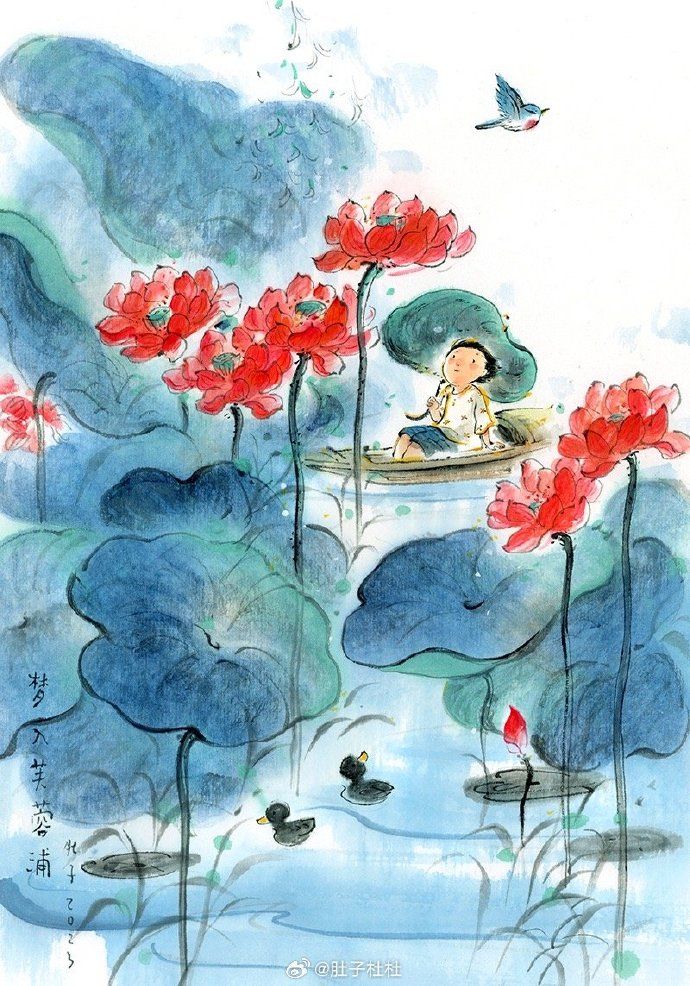
Art by 肚子杜杜
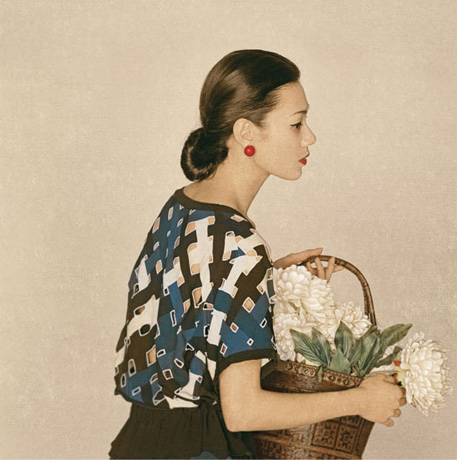
 Tien-Jen