Tien-Jen

  • About
  • Blog
  • Books
  • Culture
  • Daily Thoughts
  • Fashion
  • Personal
  • Contact
  • Portfolio
  • Don’t Forget Your Roots

    Growing up we would go to the beach each year on Christmas day. In New Zealand, Christmas is celebrated during the summertime, so instead of spending it in the snow, you spend it in the sand and sea. The holidays remind me of the smell of the ocean, eating fish and chips, reading on the farm and walking in the bush. The saying ‘don’t forget your roots’ makes me think of the Classic Kiwi song Don’t Forget Your Roots by SIX60. The song reminds us to remember where we come from. It’s made me reflect on the importance of embracing my own cultural roots and staying true to myself.

    For many Asians growing up in Western countries, fitting in meant minimising aspects of their Asian culture to better assimilate and navigate society. One aspect of this is language. Language connects us to others, helps build relationships, and shapes how we understand the world. It’s natural to speak the dominant language in our environment. However, I often felt like there was something missing. Having a deeper connection with our culture unlocks something within the soul. Learning the language and connecting with others in our mother tongue brings a sense of knowing of oneself, knowing of others and respect and appreciation for one’s culture.

    Asians who have grown up in a Western country are often described as a banana (yellow on the outside and white on the inside). When I think about it now there’s a tinge of sadness behind the humour. Because although it’s said as a joke, it implies that we are not ‘Asian enough’ or to put it more bluntly, we’re whitewashed. That terminology can bring feelings of shame. We should embrace our cultural roots no matter which society we live in. When something is perceived as different, it can seem strange to others. However, embracing those differences can help us see that we’re more alike than we are different.

    As a child, the sweet aroma of garlic, ginger and spices would waft through the house. The food that my parents cooked is a fond memory. They were and are such wonderful cooks. I can’t help laugh when remembering taking a red bean bun to school, opening my lunch box, and seeing my classmate’s eyes widen with curiosity and slight hesitation due to the smell. How delicious those buns were! Making dumplings, carefully filling and folding them, eating Zongzi (粽子) during Dragon Boat Festival and Tang Yuan (湯圓) during Lantern Festival were warm memories. Food always brought everyone together.

    The home was filled with Taiwanese and Chinese culture and only Mandarin was spoken but as soon as I stepped outside, the world was Western. This often left me feeling not Asian enough and not Kiwi enough. It’s difficult to describe this feeling except that it can feel like an identity crisis. The environment we grow up in shapes our thinking and beliefs. Western culture often emphasizes individualism, while Asian culture values collectivism. Sometimes, Eastern and Western ideas conflict, but what is most important is having your own values.

    It’s important to recognize that deep trauma can sometimes cause people to distance themselves from their own culture. Sometimes it can even be the seemingly small comments that people make, that one can remember for a lifetime. Sometimes it’s the feeling of rejection that can cut like a knife and cause a lot of pain. Sometimes it’s their own upbringing and sadly there are aspects of every culture where there are beliefs or ways of doing things that aren’t healthy. Everyone’s experiences are different.

    When we speak our mother tongue, we open up our world to deeper connections. Reconnecting could be finding aspects of the culture that resonate with you and integrating them into your life that feels meaningful to you. We can reconnect through people, food, festivals, music, film and tv, books and art. When we don’t forget our roots, we have a better understanding of who we are, where we come from and what values shape us. We have a sense of belonging and we expand our world by embracing the richness of our heritage. Remembering our roots also helps us preserve our language, culture and traditions for future generations.

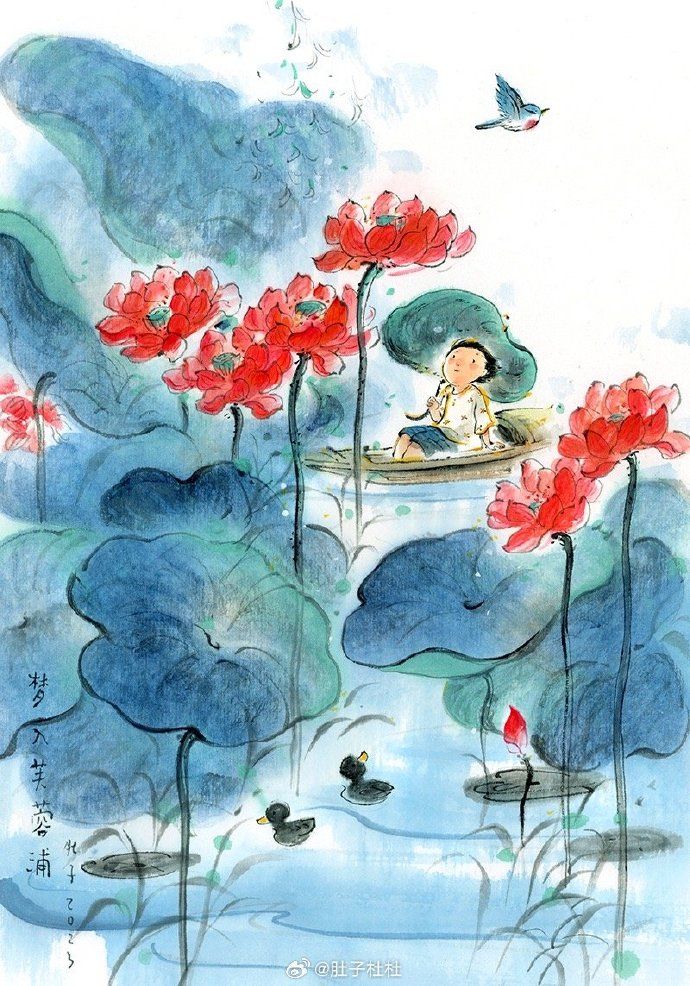
    Art by 肚子杜杜

    August 28, 2025
    Asian, chinese, Chinese Culture, chinese language, Culture, Daily Thoughts, don’t forget your roots, history, language, mother tongue, Travel, Western, writing

  • Improving Your Mother Tongue

    It’s common for those who grew up in a different country to their parents to lose some or all of their mother tongue. It’s natural to want to speak the language that is largely spoken in your environment as it helps you communicate with the people you interact with. This is one of the struggles of maintaining your mother tongue when you grow up in an environment where you largely use one language in your daily settings.

    Language allows us to connect with other people and have a deeper understanding of our culture. It allows us to tell stories, understand different perspectives and express what’s within. My parents were the only people I spoke Mandarin regularly with when I lived at home. The lack of learning the language and improving my grammar meant my Chinese level was like a primary school student. This was most clear once I left home and so the desire to improve began.

    Surround yourself with the language. If you’re working, you can listen to podcasts and music in the background. At home, you can watch videos, TV shows and movies in the language. You can try to even think in the language. This can be tricky but it can force you to be more active in using the language.

    Write down words that you don’t know. Learn new grammar by writing down words that you don’t know and practice them in your daily life. This can be a word from an article or video. You can practice using them during a conversation as it will help solidify them in your memory.

    Read articles and books in the language. Find content you’re interested in yet is a little bit challenging to read. There’s so much content online with specific topics that you can read according to your personal interests. Reading allows you to slow down and helps you recognize more words.

    Engage, use and speak the language. This is one of the most important tips. If you don’t use it, you lose it! Take any opportunity that you can to use the language. I’m still encouraging myself to do this as a big part of improving a language is having confidence. If you’re watching a video you can copy the native speaker and mimic their pronunciation and accent.

      It’s important to remember that improvements take time and daily practice. I’ve found using a language app can help with speaking to other language learners. Practicing with cue cards on apps like Pleco can also help. Learning and improving a language is much like learning an instrument or practicing sports. It takes commitment, focus and daily practice. Remember, practicing a little a day can go a long way.

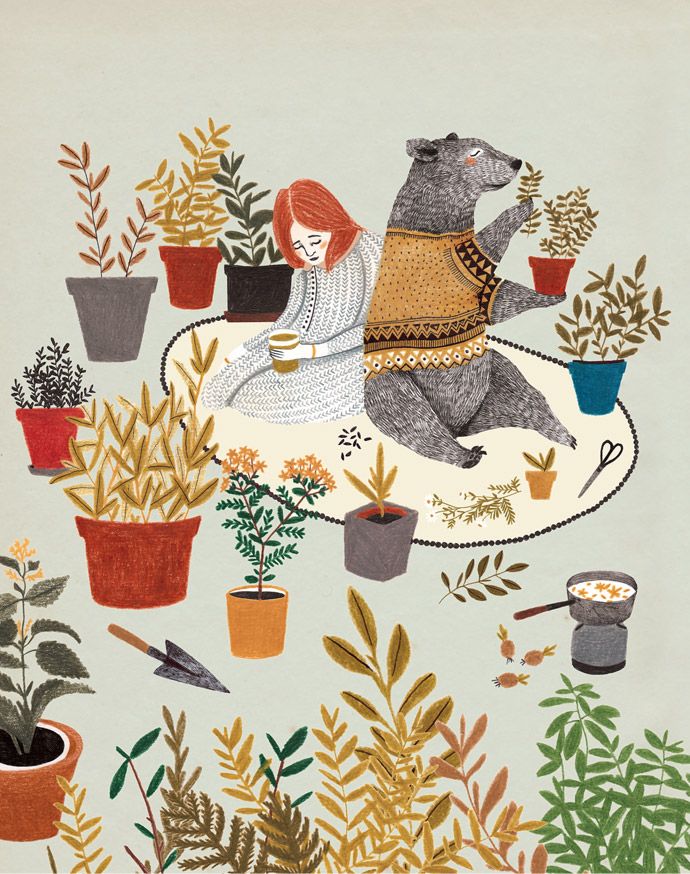
      Art by Kate Pugsley

      July 31, 2024
      chinese, Culture, Daily Thoughts, language, mandarin, mother tongue

    1. How Do I Pronounce Your Name?

      Growing up in a Western country it may have been a common experience to hear the teacher mispronounce your name. Particularly if it’s a name that’s not so common or a name from a different culture. My Chinese surname was commonly mispronounced but it was not common for people to ask how to pronounce my name. When someone asks “How do I pronounce your name?” it shows a sign of curiosity and respect. They are genuinely interested and conscious of pronouncing your name correctly.

      Name discrimination is prevalent in our society. These areas include job applications and applying for a rental property. This shouldn’t be the case but it is sadly the reality. There may be stereotypes and racial prejudices that arise with certain names particularly names that may seem difficult to pronounce. However, a person’s capability in a job or how well they will take care of a property is not determined by their name.

      Our names can have special meanings behind them and they can be reflective of our culture, identity and language. Taking the time to learn how to pronounce someone’s name creates connection and openness. It shows respect for different cultures and it acknowledges the person. If you ever interact with someone and you’re unsure how to pronounce their name, don’t be shy to ask them “How do I pronounce your name?”

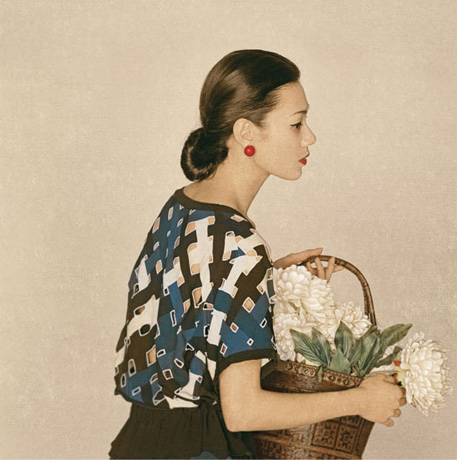
      Photography by Leslie Zhang

      September 12, 2023
      Culture, name, name pronunciation, pronounce

    2. Five Reasons To Improve Your Chinese

      Growing up in New Zealand, I learned to speak Mandarin Chinese first. It was difficult to maintain interest as a child when my classmates, friends, and teachers were speaking English. I remember once I started going to school my Chinese regressed. I’d go to Saturday Chinese classes unable to recognize the words on the whiteboard and struggling to understand what the teacher was saying.

      Fortunately, my parents insisted my sister and I must speak Chinese at home, otherwise, I imagine I would’ve forgotten a significant amount of the language. It was in my later teens I felt a desire to improve my Chinese. I wanted to feel a deeper connection with my culture as well as the ability to communicate with more fluency with my family.

      1) It’s fun! Learning or improving any language can be a fun task. You can be met with challenges and amusing experiences. When I was a child, my father was reading to me in the library, and a young boy came up to him to ask “What are you speaking?”. My Dad replied “Mandarin”. The boy replied “I speak pineapple!”

      2) It helps you understand your culture and identity. There is a greater respect for one’s culture when you understand the language. When you retain your mother tongue you are maintaining your cultural identity and you have a more deeper connection with it.

      3) It’s the most spoken language in the world. There are over a billion native speakers in Chinese in the world. By improving your Chinese you can expand your opportunities internationally, or engage with more people and open your world view and perspective.

      4) It helps you improve your English skills. Understanding your mother tongue well helps you in learning English. Research points to how incomplete or inadequate skills in the first language make learning another language difficult for the child.

      5) It improves cognition. Learning and improving a language enhances brain plasticity, as every time you learn something, you promote neuroplasticity. Studies have shown that people who are bilingual tend to have better cognitive skills than those who only speak one language.

      Photography by Sun Jun

      August 25, 2023
      chinese, chinese language, Culture, language, mandarin chinese

    3. We Live In A Society That Praises Extroverts

      Is freedom giving up the need to be understood by everyone? The exhausting part of our daily lives erupt when we feel the need for most people to understand. Every person is deeply complex. The greatest blessing can lie in feeling understood by those who truly care. I was reading the article Introverts are excluded unfairly in an extraverts’ world here, which was incredibly thought provoking and eye opening, as I spent many years thinking that there was something innately wrong with me.

      Around seven years ago I discovered the term introvert and felt a greater understanding. We live in a society that praises extroverts. In the article it states that “The main cultural problem is that introverts are widely seen as not adapted to the environment, instead of it being acknowledged that the environment is designed to profit extraverts. Society’s praise and acceptance of extraversion as the norm has led many introverts, along with many ambiverts, to suppress different aspects of their personality, or to see them as flaws. This state of affairs is bad not only for introverts, but for society as a whole.”

      Susan Caine cites studies which suggest that the majority of teachers think the ideal student is an extrovert, and more extroverts are groomed for leadership positions in the workplace. However, the level of introversion or extroversion does not equate to one’s level of competency. We need to live in a world that supports both introverts and extroverts in all environments. We need to create environments that allow both to shine through their positive traits.

      Negative connotations tend to be associated with introversion and introverts can often be stereotyped as shy, socially anxious, awkward and quiet. However, shyness is not the same as introversion and being an introvert means that you need to spend time alone in order to recharge your batteries. The two important areas of our societies are schools and businesses. These are areas that individuals spend a significant amount of their lives in. These are designed largely for extroverts and the extrovert’s need for stimulation.

      A person should not be measured by how well they can engage in small talk but in the ideas, values, character, opinions and empathy they express. The greatest freedom is being yourself. As children we are taught to play with other children, and isolating oneself is seen as an issue that needs to be resolved. In some cases there may be clear signs that the behaviour may be concerning, however it’s common a child may feel more stimulated through activities such as reading a book or painting a picture

      The implication that it’s a fault is created by societal expectations and norms. Social exclusion through not conforming to societal expectation can also increase feelings of isolation and rejection. The ending of the article beautifully says that “More importantly, we must remember that introversion is not something to be fixed – but a blessed source of human diversity that comes with many strengths. The way to advance our personal and collective growth is not by eliminating this diversity, but by embracing it.” Every person has the ability to create change and to contribute towards society.

      Art by Lieke van der Vorst

      January 29, 2021
      Culture, extrovert, Introvert

    4. The Masks We Wear

      The complexities of the human condition are deeply reflected in the layers that we each have. The antidote to this are the authentic acts of vulnerability and empathy. The fear of judgment causes us to hide our childlike self under a hard shell, rather than allowing our true self to flourish. It takes energy to not be ourselves. The masks we wear can become definitions that we create for ourselves and the ways that we present ourselves to the world. Reflecting on my own masks, I thought about how the words we are told as a child are powerful and they can become deeply ingrained into us as facts throughout our whole lives. The powerful truth is recognizing that only you know who you are and only you are in control of changing who you are. No one can really define you, unless you let them.

      Growing up, I was often told that I was shy, quiet and reserved. This was repeatedly said to me throughout my life to the degree that I thought that there was something wrong with me. As an Asian New Zealander, there have been many moments throughout my life where I felt an unexplainable invisibility. The stereotype of the ‘Quiet Asian Woman’ has followed me all my life, deeply affecting the way I previously saw myself. My experiences, though, have really helped me to understand the harm of minimising people through categorizing them. The undoing of a lifelong feeling of not fitting in a mould came through the development of self assurance within oneself despite external voices. You are the author of your novel and the beauty and freedom of this is that you can create whatever you desire.

      Masks are an internalisation from how other people perceive us. It can make us succumb to the perception of the world to protect ourselves. The fear of vulnerability can hide our true self as we wear a false mask as a protection to feel safe from the world. The desire for acceptance leads to wearing a mask that society puts on us for fear that being your true self is not the way the world wants to see you. Our identities are constructed on how others perceive us, but the lack of vulnerability constrains the diversity of human nature and potential. Vulnerability openly invites us to talk about how we feel without judgment, builds trust and a sense of security and connection, the freedom to be ourselves and the deliberate act of being kind.

      When we struggle with our mental health, we often cling to our masks even tighter. For example, when you have experienced depression, you may have fought to bear a smile on your face. We experience an inner battle when we hide our depression and anxiety; holding tightly on our masks can provide temporary relief, but never allow us to fully heal. The surface may not reflect the reality. The dangers of this comes in the deterioration of authentic connections when we create an appearance of perfection to the world that doesn’t exist. Perfection is a false façade to create an illusion of happiness to the world but it never achieves true happiness. True happiness is the freedom we feel when we are living in the world as the person that we were born to be.

      Our true selves tend to shine when we let go of external pressures or validations. True understanding comes from taking the time to listen and see through different lenses. When we judge ourselves or other people, it comes from a deep rooted insecurity within ourselves and a desire to feel a false sense of superiority. Wearing masks are a learned practice that we have picked up as a survival tactic as a way of hiding what we are feeling. Masks are worn as a socially expected concept such as when we may have to keep a polite demeanour even if a situation is difficult. When we really unpeel everything, everyone wants to be understood and loved.

      There is a beautiful photography series by Justin Rosenberg that you can view here that brings to light the reality of how we tend to perceive things through what we see rather than for what they are.

      What are the masks that you wear?

      Art by Marcel Dzama

      January 16, 2021
      Culture, masks

    5. The Art Of Slow Consumption

      The psychology of sales, discounts and promotions tend to convince the need to buy in order to feel a sense of satisfaction through saving. This is a powerful marketing tactic as it encourages consumers to buy and therefore increases production demands. The use of special offers and a strong favourable brand image deliver a lifestyle and a promise of happiness that is attainable through purchasing the product. The cycle boosts the long-term profitability and sales for the company, but it also comes at the price of feeding on our insecurities and telling us that we need materials in our lives to fill up the spaces to attain a certain status, appearance or lifestyle. However, the increase in mass production encourages mass consumption. The increasing consumption cycle is damaging to our environment, well being and mind set.

      In our rapidly changing world, we are more impatient due to instant gratification and being bombarded with more choice and opportunities. The gamification of smart phones have also caused a change in socialising, communicating and interactions. The fast paced society has caused an increase in stress, depression and anxiety. It reminds us to take a moment to practice mindful consumption in buying, reading, exercising, cooking, socialising, eating and so forth. We can take time to have a more leisurely approach to life rather than conform to the rush of a busy life. Over-consumption presents an ecological threat to individual, social and global well-being. The ideology that should be shared is that buying less things that are better quality can help us lead a more fulfilled, less wasteful life.

      In The stuff of life, Immig writes “What if you piled up all the stuff you’ve ever owned and consumed in your lifetime? Would it make a tall tower reaching into the sky like a high-rise building, or is it more of a discreet mound?” The article is fascinating and creates visualisations of the waste that we have contributed to in a lifetime. It seems as if we can obtain everything we could possibly imagine if we have the financial means to, yet large numbers of people remain deeply unhappy. The chase for personal status and material wealth is built from consumer culture which encourages extrinsic goals that bring an illusion of temporary happiness. We are increasingly obsessed with superficial ideals such as material possessions, wealth, fame and status which is a result of the declining care, empathy and concern for others and for our environment.

      The garments we hold tend to lack meaning due to the idea that they’re instantly replaceable or out of trend through the fast-pace cycle of the fashion industry. Adopting the models of slow consumption creates more respect and value for what we have, rather than affording cheap clothing that creates a throwaway culture and encourages the cycle of fashion produced under exploitive work conditions and are environmentally unsustainable. A focus on environmental ethics would help bring the focus on a collective level on the impact and change that can be made for global well-being. If we strive to be conscious consumers, we make the first step in deliberately trying to minimise permanent footprints on the environment. We consider the difference between needs and desires and to purchase and consume slowly and accordingly.

      Art by Renée Gouin

      December 1, 2020
      art, consumer culture, consumption, Culture, slow


    Loading Comments...
     

      • Subscribe Subscribed
        • Tien-Jen
        • Join 2,541 other subscribers
        • Already have a WordPress.com account? Log in now.
        • Tien-Jen
        • Subscribe Subscribed
        • Sign up
        • Log in
        • Report this content
        • View site in Reader
        • Manage subscriptions
        • Collapse this bar